Hunger in the classroom
Hunger is the mechanism through which drought becomes an education crisis. In many northern counties, schools provide the most
reliable meal a child receives each day. When drought tightens food supply, children either attend school hungry or stop
attending altogether. Malnutrition weakens concentration, slows cognitive development, and reduces learning outcomes even for
those who remain in class. Teachers report learners who are physically present but unable to engage effectively due to hunger
and fatigue.
The school feeding programme, which has historically played a critical role in keeping children in class during times of crisis,
is itself under strain. In many counties, a guaranteed meal at school is often the only reliable source of food for learners.
When food stocks are depleted, attendance drops as children leave school to work on farms or seek casual jobs to help provide
food for their families.
The funding for this lifeline is not secure. The National Council for Nomadic Education in Kenya requires approximately Sh8.3
billion annually to sustain the school feeding programme but has been allocated only Sh1.7 billion in the current budget, a
shortfall that lawmakers have warned could expose thousands of learners to the risk of dropping out. The council has scaled down
to providing porridge as a stop-gap measure.
Water, sanitation, and the burden on girls
Water scarcity directly affects school operations. Many institutions rely on seasonal rainwater harvesting or distant water
sources that become unreliable during prolonged dry spells. As many as 460 schools have no water source at all, and over 1,800
rely on harvesting rainwater. Without water, sanitation deteriorates, hygiene standards fall, and schools struggle to operate
normally. Girls are disproportionately affected, as inadequate sanitation facilities contribute to absenteeism and eventual
withdrawal from school.
The learning environment itself becomes a barrier to learning. A school that cannot provide water cannot support a girl in
managing her period. A school without functioning latrines is a school where girls miss class every month, and the missing
becomes its own reason for dropping out.
The long-term cost
The consequences of drought on education extend far beyond the period of the drought itself. Education is central to building
resilience in pastoralist communities, offering alternatives to livelihoods increasingly threatened by climate change. When
learning is interrupted year after year, young people lose the opportunity to acquire the skills needed to adapt to changing
economic realities. The result is a cycle where vulnerability to climate shocks and limited educational attainment reinforce one
another.
Each drought resets gains that schools and communities work hard to achieve during better seasons. The gap between learners in
northern Kenya and those in more stable regions continues to widen, not due to a lack of effort or commitment, but because
environmental shocks repeatedly undermine progress.
What is being done
In the face of this crisis, there are interventions that are making a difference. School feeding programmes, when reliably
funded, keep children in school and able to concentrate. Catch-up classes and back-to-school community initiatives help children
who have been out of school return to learning. Climate-resilient educational pathways are being tested. School farms in some
ASAL schools are supplementing feeding programmes with locally produced food, improving dietary diversity while reducing
dependence on external supply.
But these interventions operate at a scale far below the need. The funding shortfall in the school feeding programme is the most
immediate constraint. The longer-term challenge is to anchor education planning in ASAL regions in climate realities rather than
assuming a stability that no longer exists.
The drought affecting northern Kenya is often measured in lost livestock or distributed relief food. Less visible is the loss
occurring in classrooms, where interrupted learning slowly erodes opportunity. If this trend continues, the region risks
producing a generation whose education has been shaped more by climate shocks than by policy intention.
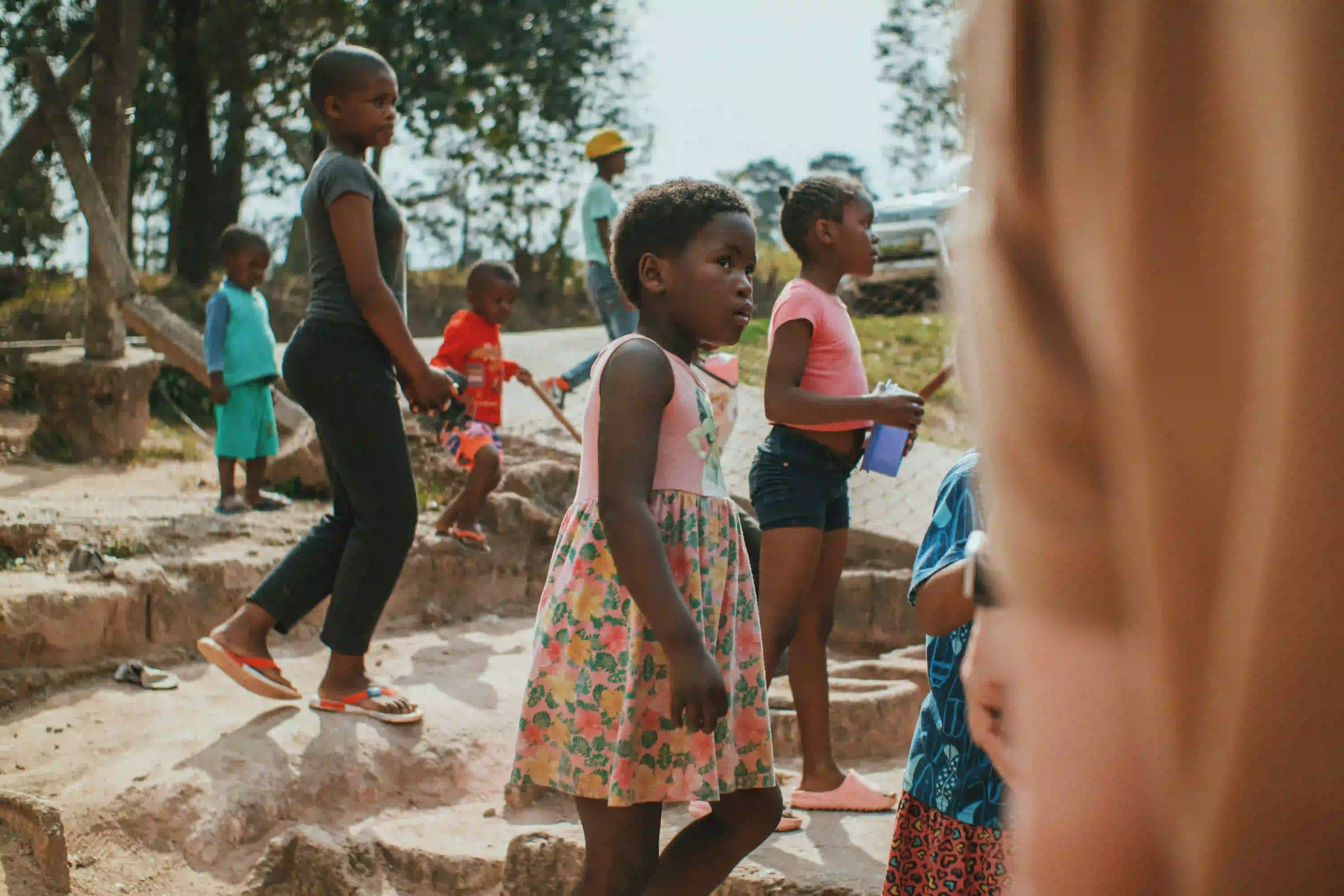
A school feeding programme in an ASAL county. When reliably funded, a guaranteed meal at school keeps children in class and
able to concentrate. The National Council for Nomadic Education in Kenya currently faces a funding shortfall of Sh6.6 billion
against the Sh8.3 billion required annually.