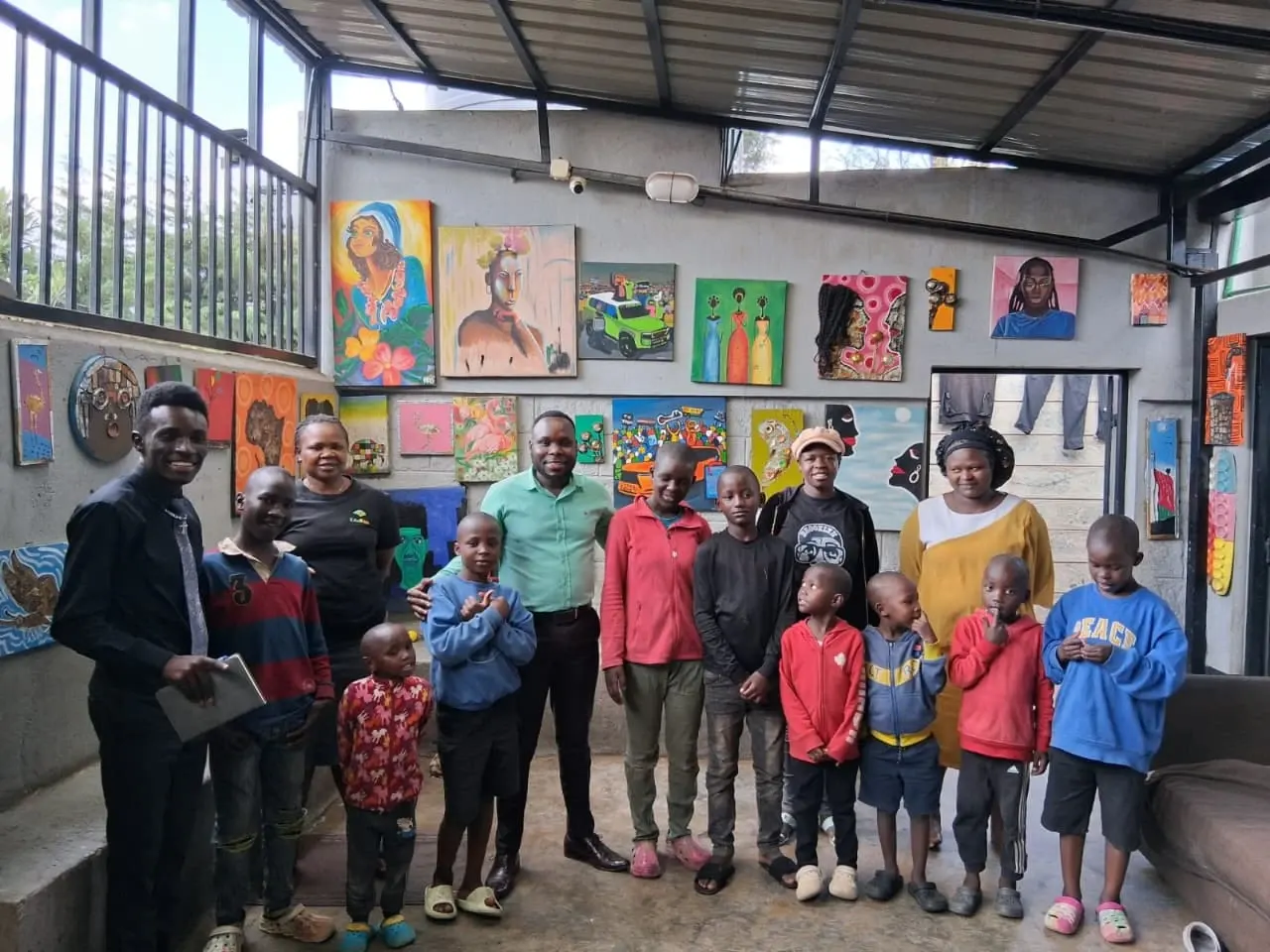
A Needs Assessment at Kibera Pride Children's Home and Child Rescue Centre
A meaningful partnership begins with listening. During a recent needs assessment visit to Kibera Pride Children's Home and Child Rescue Centre in Nairobi, the DACO sought to understand the day-to-day realities of children living in vulnerable circumstances and identify practical ways to strengthen care, protection and learning. The visit affirmed the importance of working alongside community-based institutions that provide safety, stability and hope for children who need it most.
- A Safe Space in Kibera. Kibera Pride Children's Home is a child rescue centre serving vulnerable children in Kibera, one of Nairobi's most densely populated informal settlements. The centre provides shelter, food, clothing, education support, counselling and protection for children who have experienced abandonment, loss, abuse, neglect or family separation.
- Children are placed at the centre through referrals from local administration, police and children's services. For many, the home represents more than temporary shelter; it offers a stable environment where they can heal, learn and rebuild a sense of belonging.
- Why a Needs Assessment Matters. Needs assessments help ensure that support responds to real priorities rather than assumptions. By engaging with the centre's leadership, caregivers and available records, the visit sought to identify gaps in essential services, understand existing strengths and determine where additional partnerships could make the greatest difference.
- This approach is especially important in child-protection work. Children's needs are interconnected: safe shelter affects attendance at school; nutrition affects concentration; emotional support affects confidence; and secure documentation affects access to education, health care and future opportunities.
- Key Areas of Focus. The assessment paid particular attention to the core conditions that enable children to live safely and learn well:
- Shelter, safety and hygiene: Adequate living space, bedding, sanitation, water and secure storage remain essential to children's dignity and wellbeing.
- Food and nutrition: Consistent, nutritious meals support children's health, energy and ability to participate fully in learning.
- Education and learning materials: School fees, uniforms, books, stationery and homework support help children remain in school and engage confidently with their studies.
- Psychosocial support: Children who have experienced trauma require patient, specialised and sustained emotional care, alongside safe opportunities to play, express themselves and build trust.
- Care for children with disabilities: Inclusive planning is needed to ensure that children with physical, developmental or learning disabilities receive appropriate care, resources and opportunities.
- Documentation and transition support: Access to identity documents, school records and transition planning is vital as children grow, change schools and prepare for independent adulthood.
- Strengths Worth Building On. The centre's greatest strength lies in its child-centred approach. Beyond meeting immediate material needs, Kibera Pride provides guidance, mentorship, education sponsorship and community-based support for children and families in Kibera.
- Its work also extends beyond residential care. Through educational sponsorship, feeding, mentorship and community empowerment activities, the organisation supports children who live within the wider community as well as those in the home. This broader approach recognises that protecting children requires strengthening families and communities, not only providing emergency shelter.
- Moving From Assessment to Action. A needs assessment is only valuable when it leads to practical, coordinated support. The next step is to translate the findings into a clear plan that prioritises the most urgent needs while supporting the centre's long-term sustainability.
- Potential areas for collaboration include learning materials and school support, nutrition, hygiene supplies, safe storage for essential documents, psychosocial support and capacity strengthening for caregivers. Any support should be designed with the centre, respecting its existing systems and the privacy, safety and dignity of the children.
- A Shared Responsibility. Children in Kibera, like children everywhere, deserve safety, nourishment, education and the freedom to dream. Community-based organisations such as Kibera Pride carry a heavy responsibility, often with limited and unpredictable resources. Partnerships must therefore be consistent, respectful and responsive to the priorities identified by those who care for children every day.
- The visit reinforced a simple principle: effective child protection starts by listening to children and the people who care for them. By working together, organisations can help ensure that vulnerable children are not only rescued from harm, but also given the stability, support and opportunities they need to thrive.
Related Articles

Humanitarian Advocacy Programming Initiative
DACO graduates 80 students from its Humanitarian Advocacy Programming initiative at a ceremony held in Nairobi
Memorandum of Understanding with Royal Priest College of Divinity and Humanity
The agreement reflects a shared commitment to equipping children, young people and communities with the knowledge, values and support they need to thrive