She learns this from the adults around her, from the way the subject is avoided, from the way she is told to be quiet about it,
and from the teasing that follows when it is mentioned. If shame can be learned, it can be unlearned. Menstrual health education
is the work of replacing silence and stigma with accurate information and open conversation, so that a girl can manage her period
without carrying the weight of shame that has been placed on her.
We run sessions with girls and with boys. The sessions explain what menstruation is, why it happens, and why it is not something
to be whispered about. The sessions with girls address what they are experiencing and what they need to know — how to manage their
period, how to recognise when something is wrong, and how to ask for help when they need it. The sessions are delivered by female
staff members or trained teachers, in settings where the girls feel comfortable asking questions, and in language that is
appropriate to their age and understanding. The purpose is not to deliver information in a single sitting. It is to give the girls
an understanding they can build on over time.
The purpose of menstrual health education is that a girl can manage her period without shame, and that she can stay in school
during the years when her period would otherwise be a reason to miss class. A girl who understands what is happening to her body,
who knows that it is not something she needs to hide, and who knows where to go if she has questions or concerns is a girl who is
better able to manage her period, and better able to stay in school. The education is not only about the girl. It is also about
the community she lives in, and about the understanding that the community holds about what is normal and what is not. Changing
that understanding is part of what the education is for.
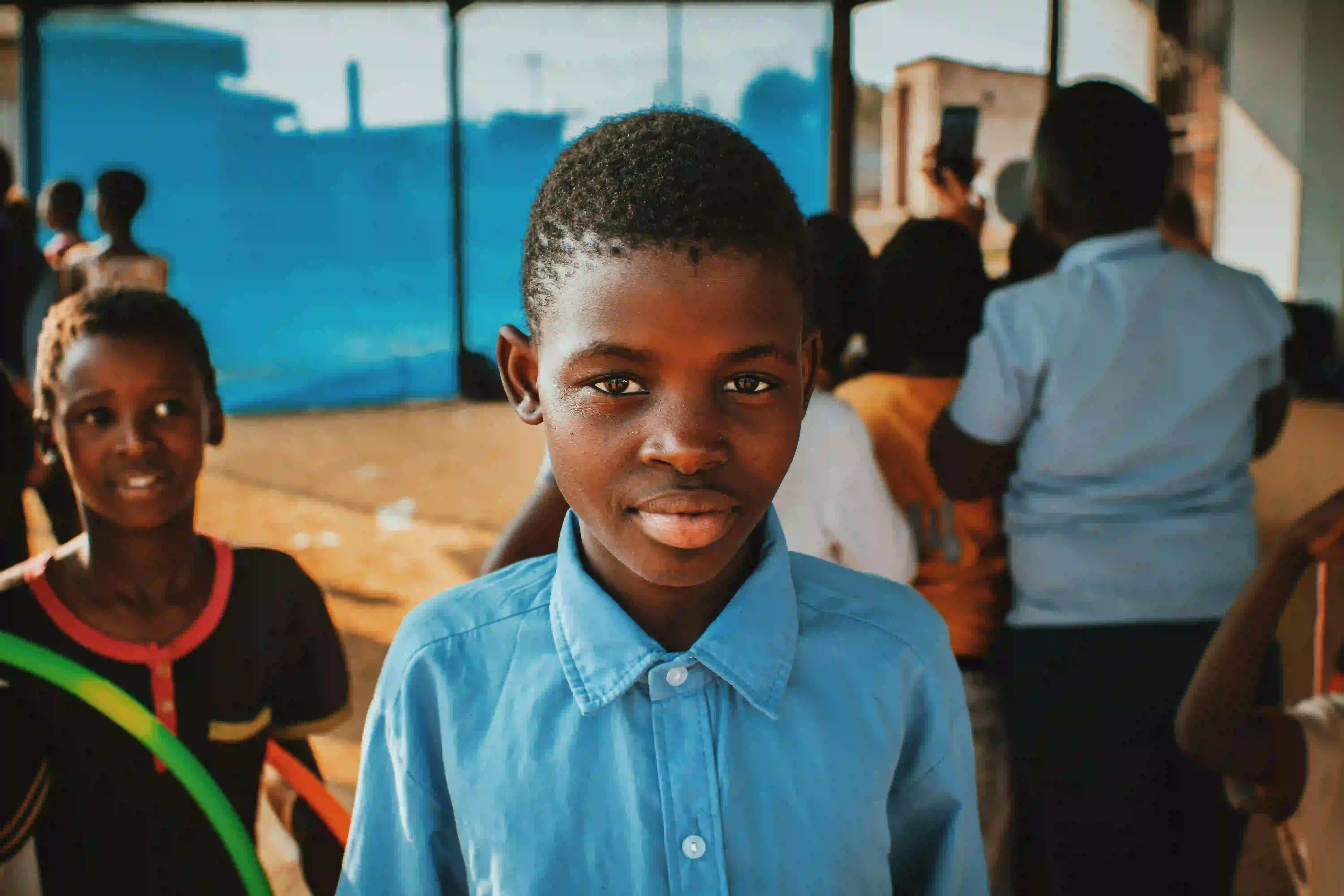
Menstrual health education replaces silence and stigma with accurate information and open conversation, so that a girl can
manage her period without shame and stay in school.