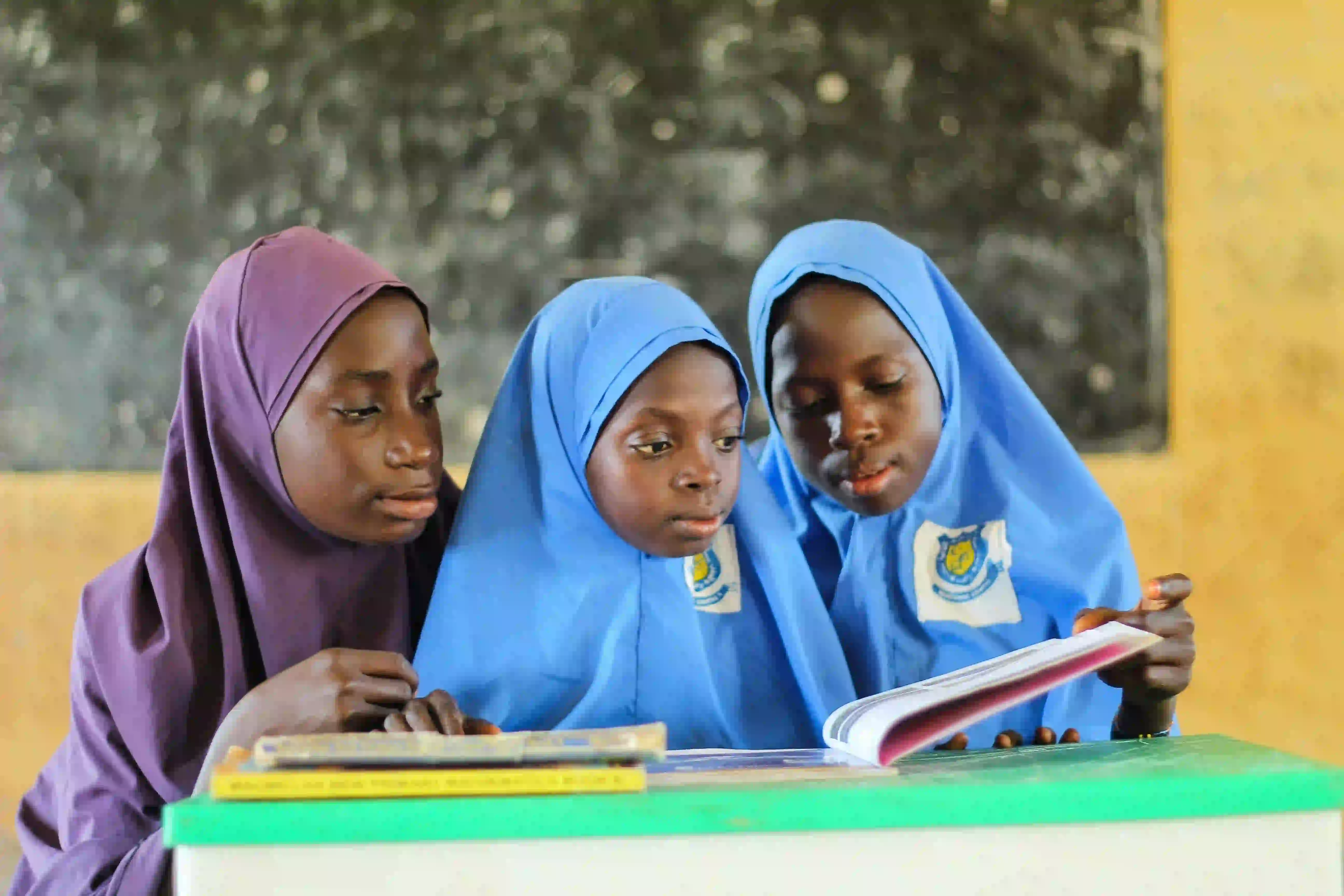
A school that receives a supply of towels today needs another supply next month, and another supply the month after that. A
latrine that is built this year will need to be cleaned, repaired, and eventually replaced in the years that follow. If the
funding that supports these needs is not sustained, the supplies run out and the facilities fall into disrepair, and the girls who
depend on them are back where they started. Our work on sanitation and menstrual health therefore includes advocacy, because the
supplies and facilities that girls need depend on decisions made by people who are not in the room with them.
We advocate with county and national authorities to make sure that budgets for sanitation and menstrual health are protected.
These budgets are often small in relation to other areas of education spending, and they are often the first to be trimmed when
budgets are tight. We make the case that these are not optional programmes. A girl who has no way to manage her period at school
cannot attend school during her period, and a girl who misses school every month is a girl who is at risk of dropping out
altogether. The funding that supports sanitation and menstrual health is part of what makes it possible for girls to stay in
school. We work with the authorities to make sure that the funding is in place, that it is released on schedule, and that it is
not redirected to other areas.
The purpose of this advocacy is that the supplies and facilities that girls need are provided consistently, and that they are
provided not as an act of charity but as part of what the school system is meant to deliver. A girl who has what she needs to
manage her period at school is a girl who can stay in class. A girl who is left without what she needs is a girl who is at risk of
dropping out. The advocacy is part of the work of making sure that the supports that keep girls in school are in place, and that
they stay in place, long after the specific programmes that first provided them have concluded.
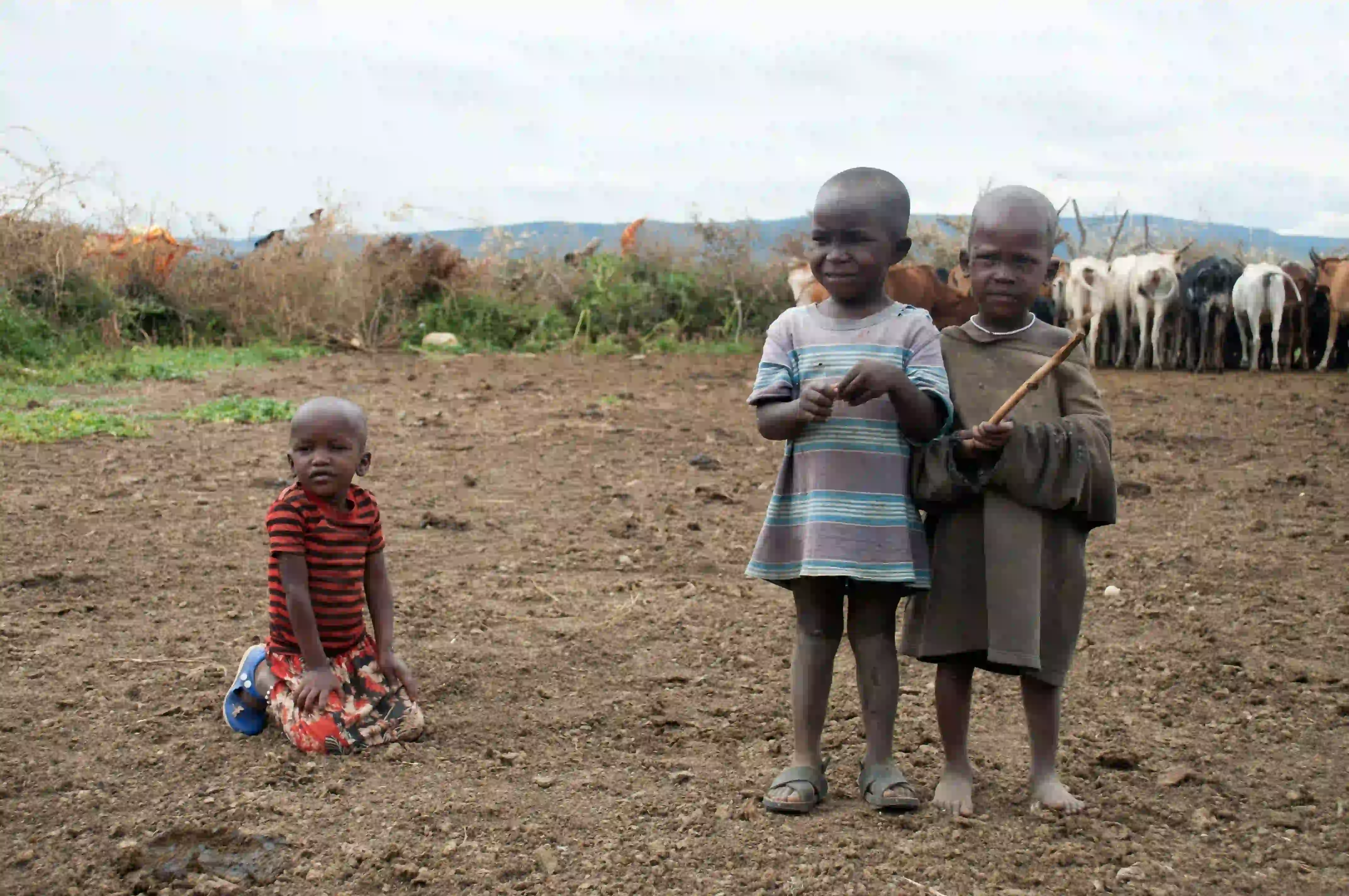
Advocacy on sanitation and menstrual health works to make sure that the funding, standards, and policies that support girls in
school are in place and are maintained over time.