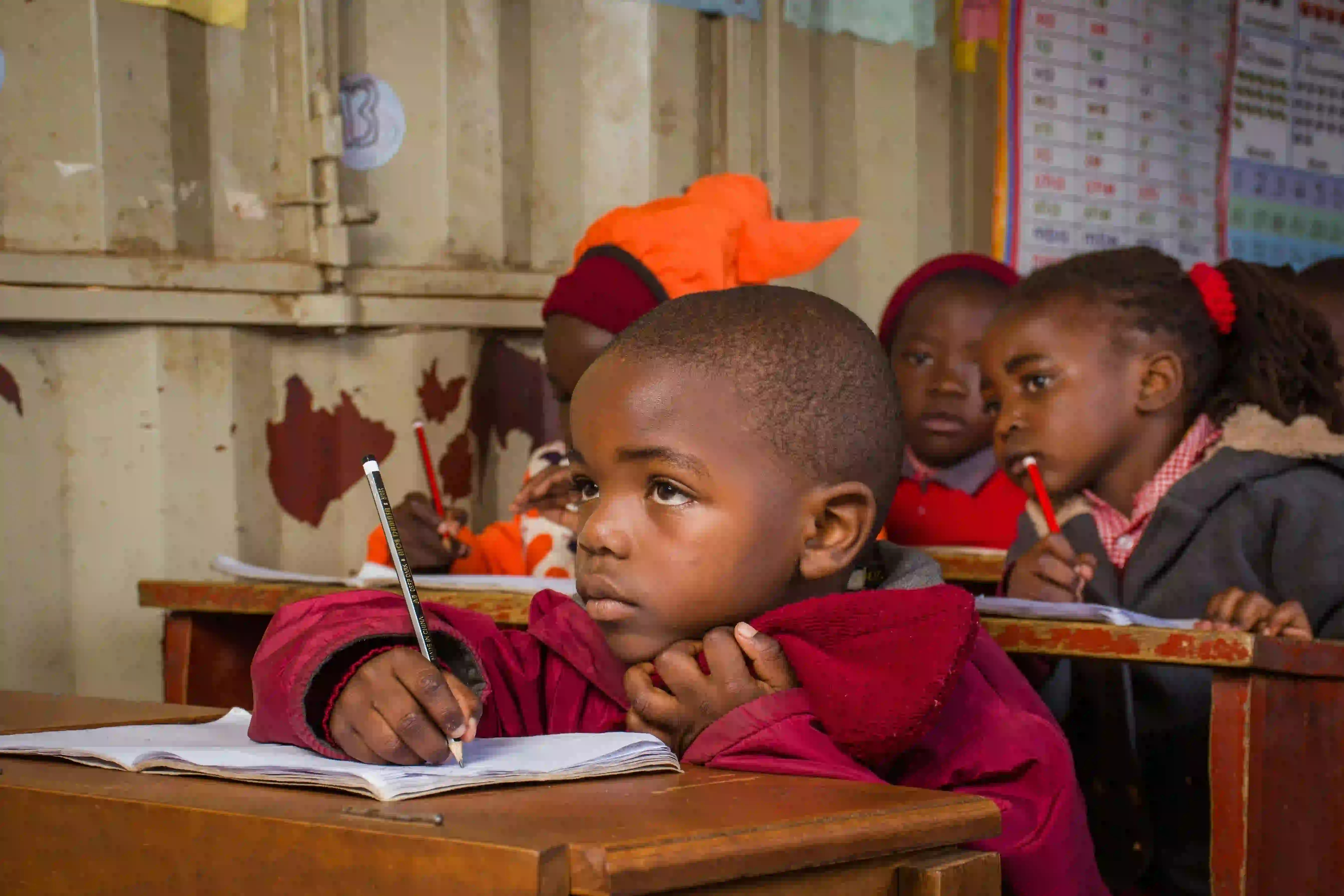
Giving Children the Language for What They Feel

Children need language for what they are feeling. Without it, distress is carried in silence, and silence is where it does the most damage.

A child who has experienced the loss of a parent, who has been displaced from her home, who has witnessed violence, or who is living with a fear she cannot name may have no way of describing what is happening to her. She may believe that what she feels is something wrong with her, rather than something that has happened to her. She may believe that no one else feels the same way. She may believe that asking for help is a sign of weakness, or that the adults around her have enough to deal with and should not be burdened with her concerns. Mental health education for children is what gives her the words and the understanding she needs.

We run sessions with children that help them name emotions, recognise when they are struggling, and understand that asking for help is not a weakness. The sessions are not therapy, and they are not a substitute for the support a child may need from a counsellor. They are education — the same kind of education that helps a child understand her body, her rights, or her environment. A child who can name what she is feeling is a child who is better placed to respond to it, and to seek help when the feeling does not go away.

Our Approach

Age-appropriate sessions that fit the culture

Age-Appropriate, Culturally Relevant Sessions


How it works:

  • The sessions are age-appropriate and delivered in ways that fit the culture and context of the community. A session with younger children may use stories, drawings, or play to help them express what they are feeling. A session with older children may involve discussion, role-play, or written exercises.
  • The language is the language the children use, and the examples are drawn from the realities of their own lives. We do not arrive with a curriculum that was designed somewhere else. We work with teachers and community members to design sessions that speak to the experiences of the children in the community where we are working.
  • The sessions cover the experiences that are common in the communities where we work. The loss of a parent or a caregiver. Separation from family. Exposure to violence. The stress of displacement. The pressures of poverty. The stigma that a child may face because of her family's situation, her disability, or her gender. These are not abstract topics. They are the experiences the children in the room are living with, and the sessions give them a way of talking about them.

The purpose of mental health education for children is that a child who is struggling has the words to describe what she is experiencing, the understanding to know that she is not alone, and the confidence to ask for help when she needs it. A child who cannot name what she is feeling is a child who is more likely to carry it in silence. A child who can name it is a child who can begin to respond to it. This is the work that mental health education does, and it is one of the ways that we work to keep children in school — because a child who is not coping is a child who is at risk of dropping out.
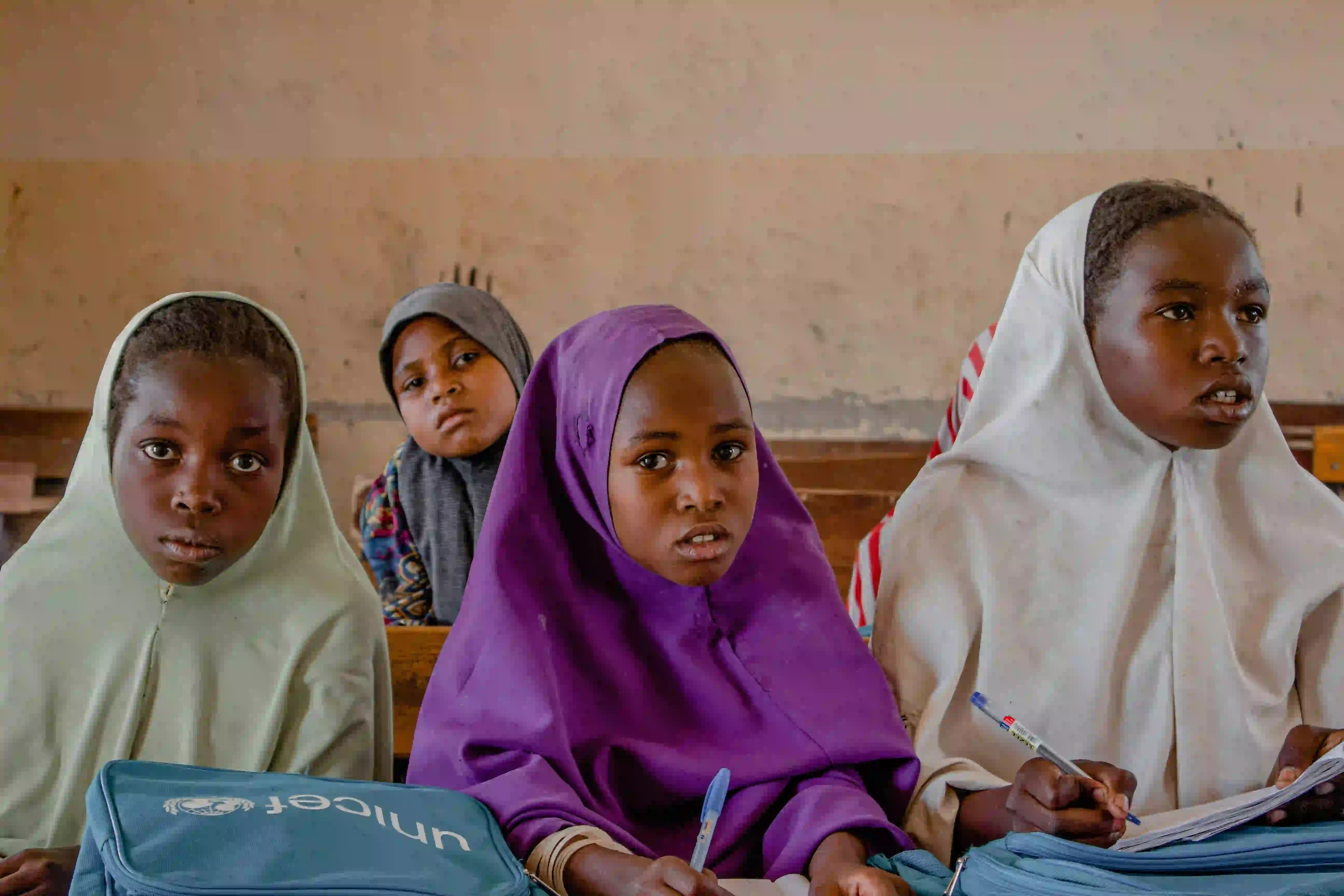
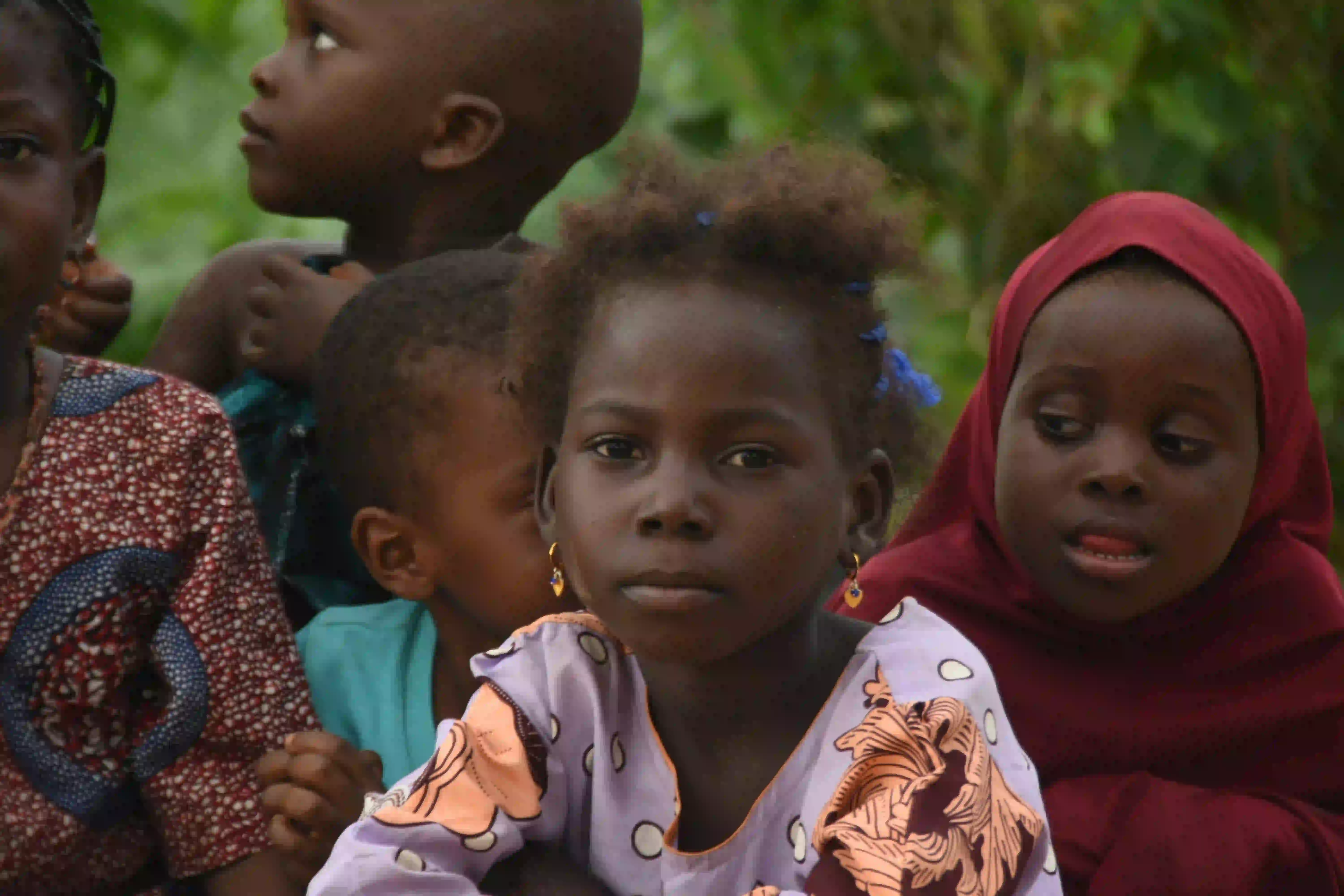
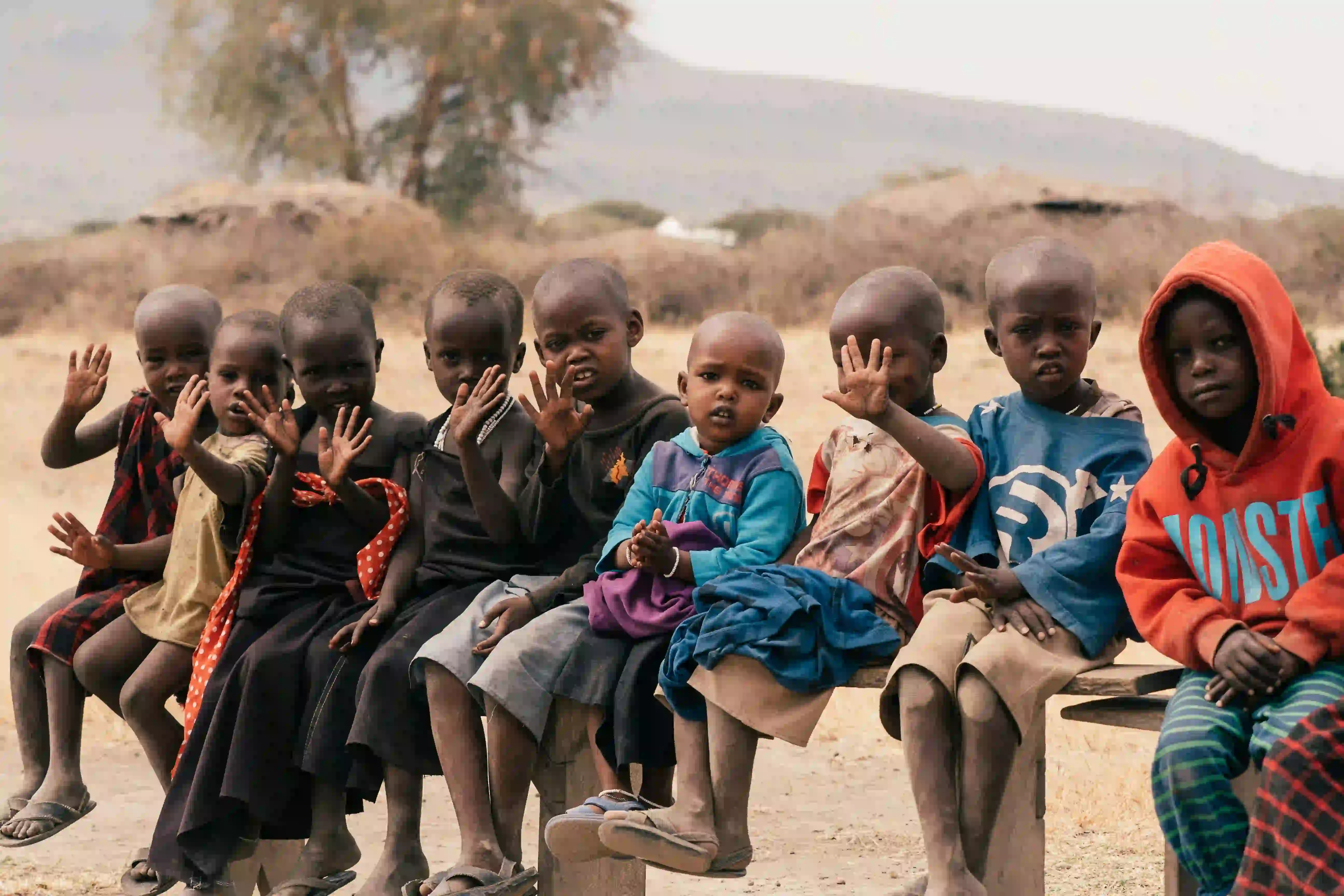
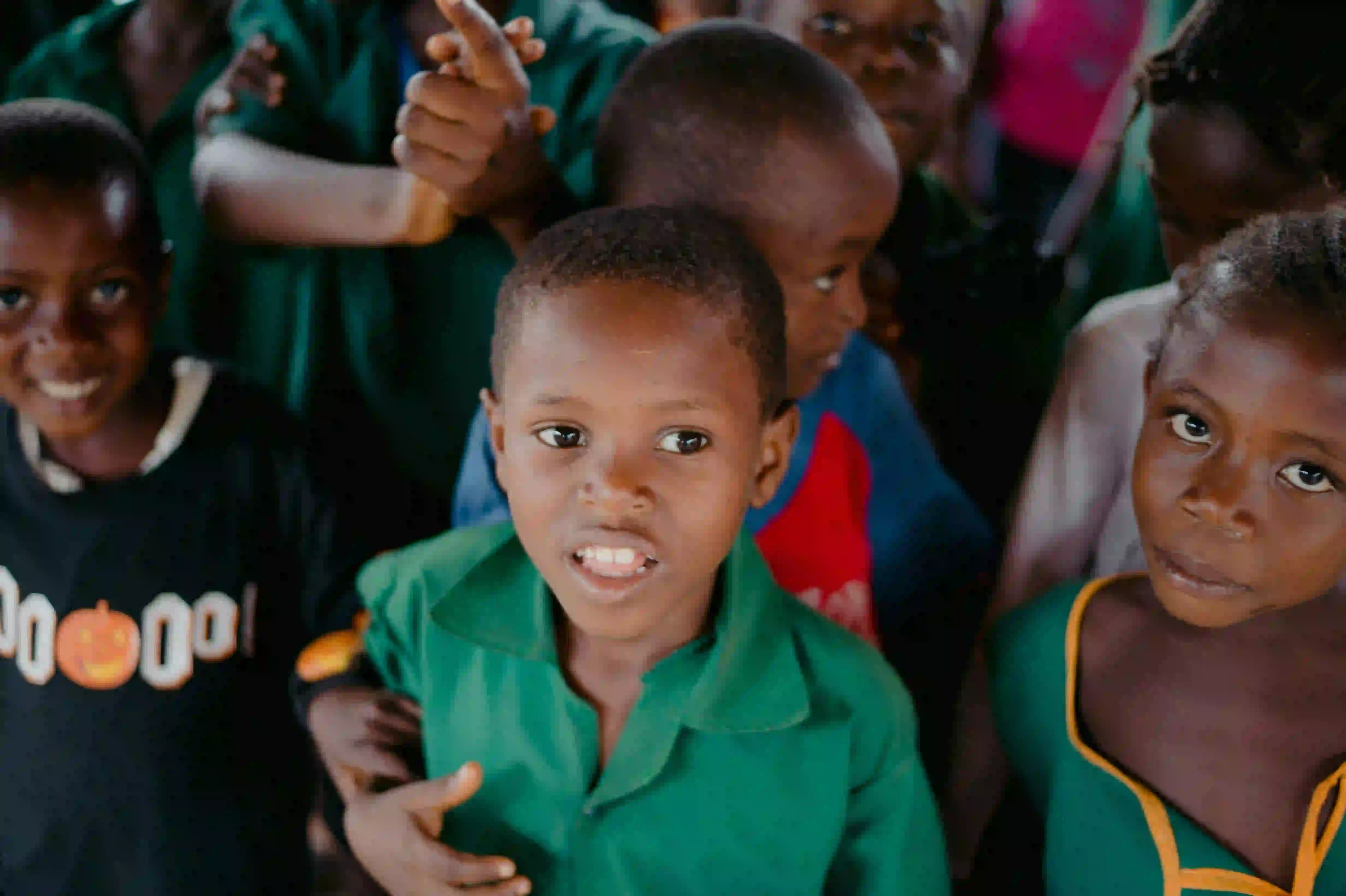
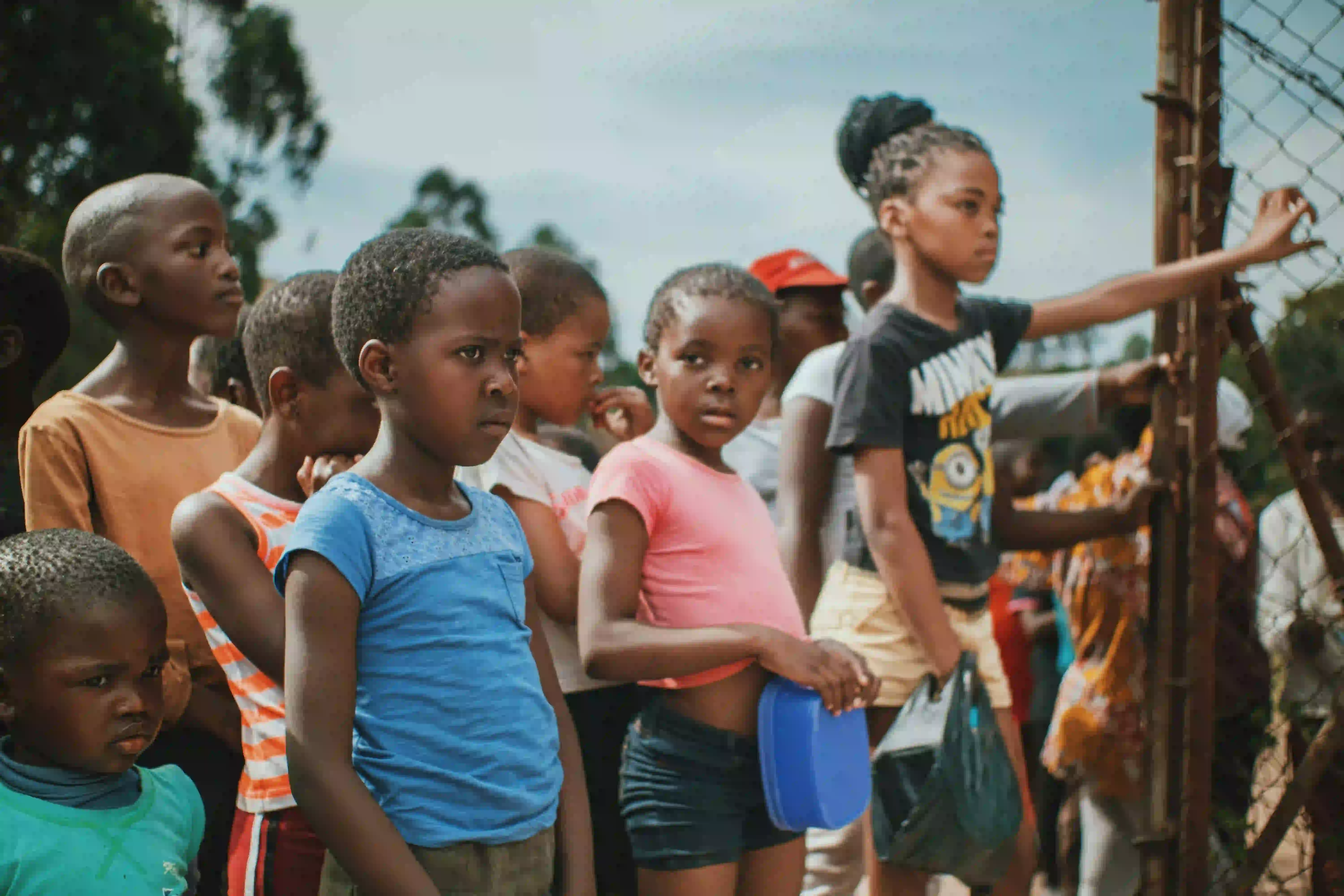
Children in a mental health education session

Mental health education for children gives them the language to name what they are feeling, the understanding to know that they are not alone, and the confidence to ask for help when they need it.
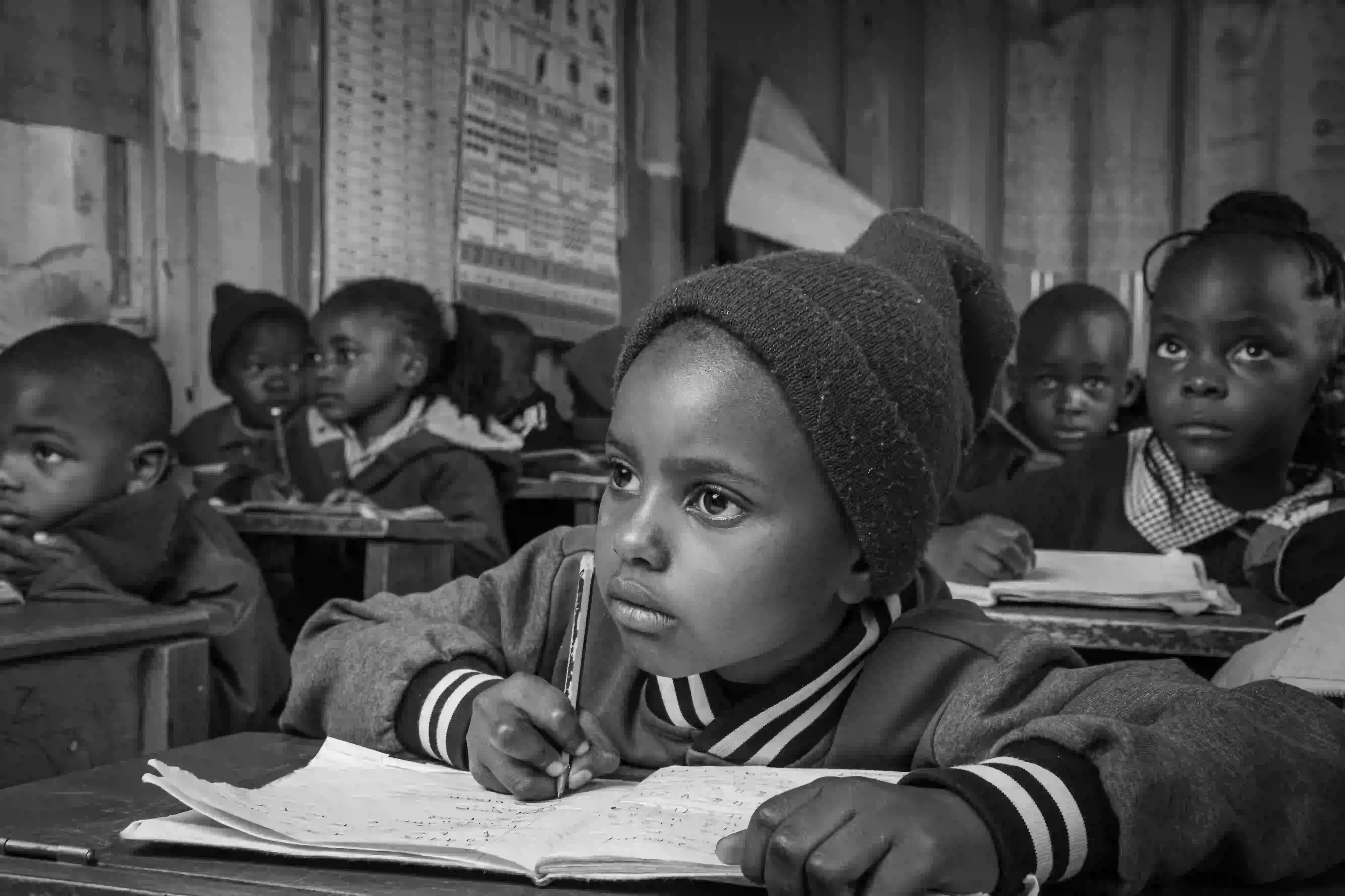
Our commitment

Children need language for what they are feeling. Without it, distress is carried in silence, and silence is where it does the most damage. Mental health education gives them the words and the understanding they need.

Join us in supporting children's mental health

Help us give children the language to name what they are feeling, the understanding to know that they are not alone, and the confidence to ask for help when they need it. Support our campaign, volunteer your time, or partner with us to deliver mental health education across Kenya.
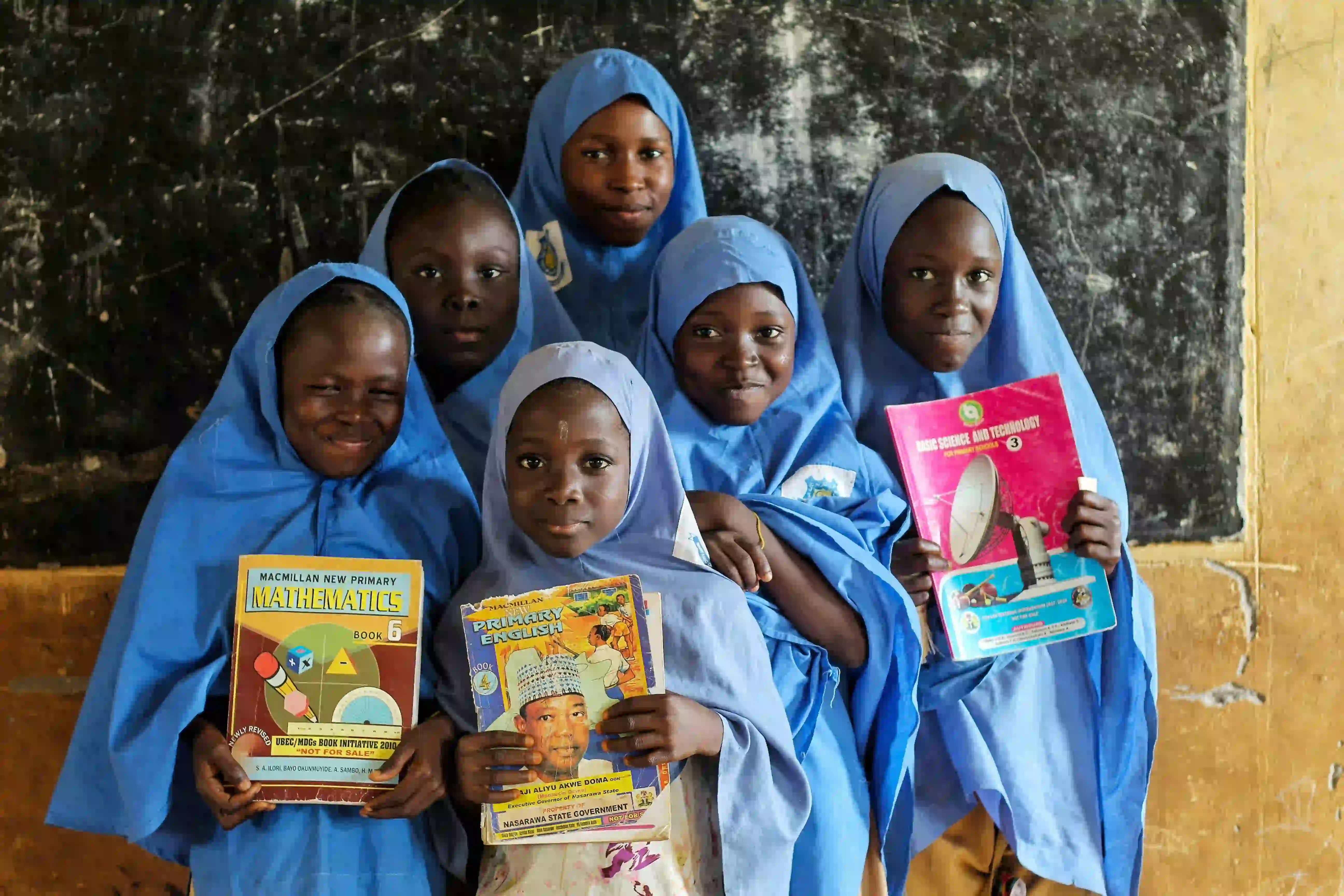
Every action counts—only a willingness to act is required.

Contact us
Children in a mental health education session

Giving children the language for what they feel

Children need language for what they are feeling. Without it, distress is carried in silence, and silence is where it does the most damage.