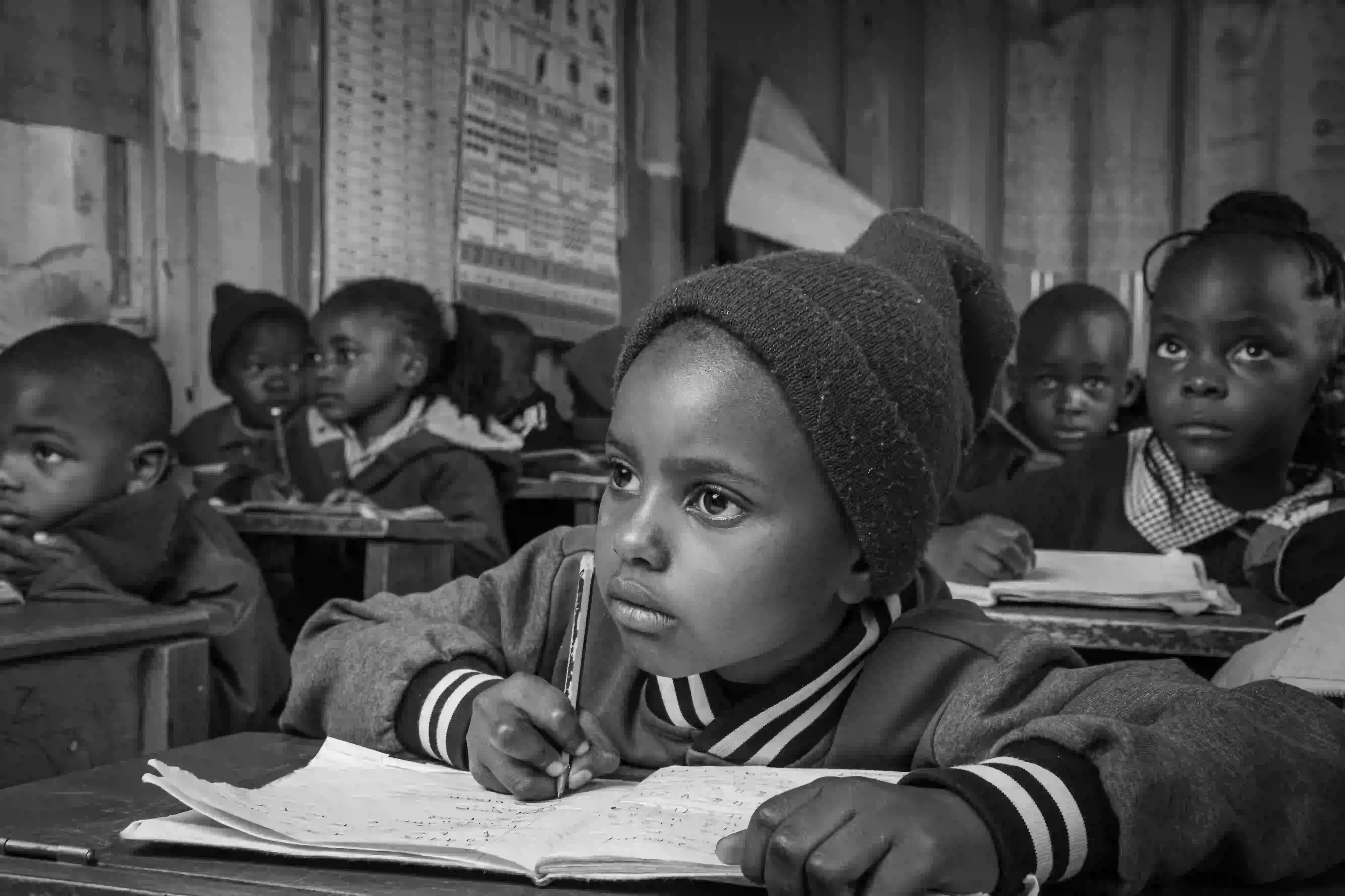
Not as a pupil, not as a member of a household, not as a case to be managed, but as a person — someone who notices when she is
quiet, who asks how she is doing, who remembers what she said the last time they spoke, and who is still there the next time. For
many children, this adult is a parent. For some, it is a teacher. For children who have been pushed to the margins — children
without a stable home, children who have been out of school, children who have no one at home who has been through school
themselves — there may be no such adult at all. Community mentorship is how we make sure that these children have someone.
A mentor is not a counsellor and not a teacher. A counsellor provides therapeutic support, and a teacher provides instruction. A
mentor provides something different. She provides presence. She shows up consistently, she listens, she notices when something has
changed, and she helps a child think through the decisions that shape her life. She does not try to fix the child, and she does
not try to solve the child's problems. She is there, and she stays there, and the staying is what matters most.
The purpose of community mentorship is that a child who would otherwise face the challenges in her life alone has someone in her
corner. A child who has a mentor is a child who is more likely to stay in school, more likely to make decisions that serve her
future, and more likely to recover from the difficulties she has experienced. The relationship does not solve everything. But it
means that the child is not carrying everything on her own. In the communities where we work, this is often what makes the
difference between a child who drops out and a child who stays.

Community mentorship gives a child an adult who shows up consistently, who listens, and who stays with her through the
challenges she faces. The relationship is one of the reasons she stays in school.