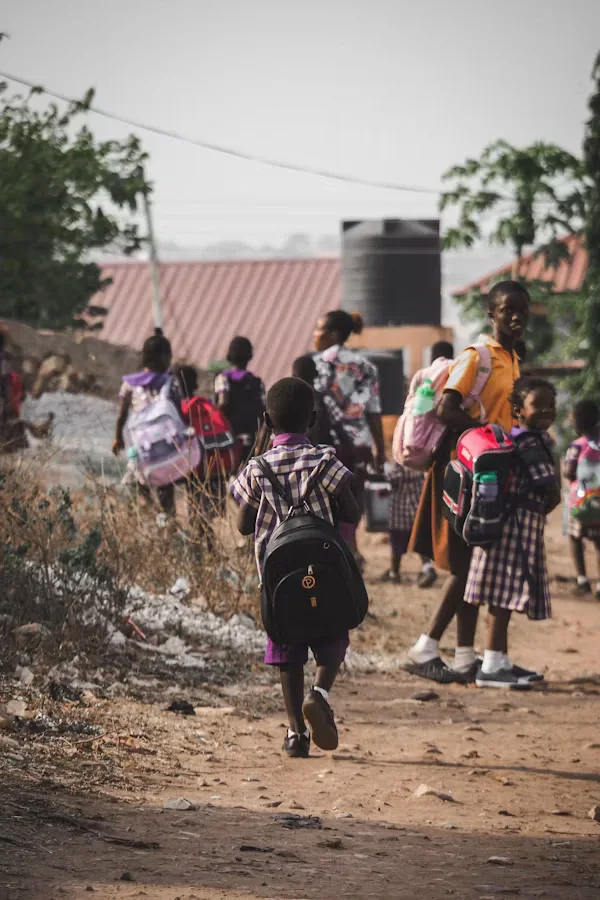
Schools close. Families move. Learning stops. The longer a child is out of school during an emergency, the less likely she is to
return. A child who misses a term may catch up. A child who misses a year is likely to fall so far behind that returning becomes
harder than staying away. The work of supporting children in emergencies is therefore not only about responding to the immediate
crisis. It is about making sure that when the emergency ends, children return to school rather than falling out of the system
altogether.
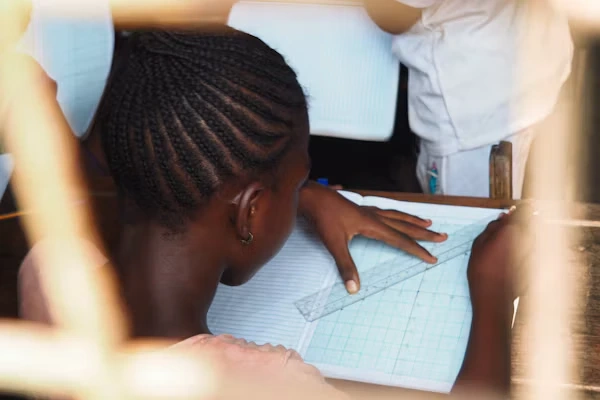
Our work begins with keeping learning going. When a school is closed, the children who attended it are not simply on holiday. They
are losing the routine, the structure, and the instruction that keep them on track. We work with communities, teachers, and local
authorities to establish temporary learning spaces where children can continue to receive instruction while the school is closed
or while the family is displaced. The spaces may be in a community hall, a church, a mosque, or under a tree. What matters is that
there is a place where children can gather, a person who can teach them, and materials that allow them to continue learning.
From the perspective of a child, an emergency is the moment when everything she depends on becomes uncertain. Her home, her
family, her friends, her school, and her routine are all disrupted at once. The work of supporting children in emergencies is the
work of giving her something that remains stable in the middle of that disruption. It is not the same as the education she would
have had if the emergency had not happened. It is what makes it possible for her to continue her education when the emergency is
over. And for many children, continuing after the emergency is the hardest part of all.
Supporting children in emergencies means keeping learning going, supporting children who have been separated from their
families, addressing the risks that emergencies create, and making sure that children return to school when the emergency ends.