When families are displaced by violence, when travel to school becomes unsafe, when communities are divided along lines of
ethnicity, land, or political affiliation, the first casualty is often education. Schools close. Teachers leave. Children are
pulled out of the classroom by their families for their own safety, or they are kept at home because the route to school has
become dangerous. Some families move to areas where there is no school for the children to attend. Others return to find that the
school they left has been damaged or destroyed. By the time a conflict has subsided, a child may have lost a year or more of
schooling, and many children never return.
Peace building is the work of addressing the conditions that produce conflict before conflict produces displacement, and of
rebuilding the trust and cooperation that allow communities to function once a conflict has passed. In the communities where we
work, this takes the form of dialogue between groups, joint problem-solving on shared resources, and support for the local
mechanisms of dispute resolution that communities have used for generations. The purpose is not to impose peace from outside. It
is to strengthen the capacities that communities already have, so that disputes that could become violent are resolved before they
do.
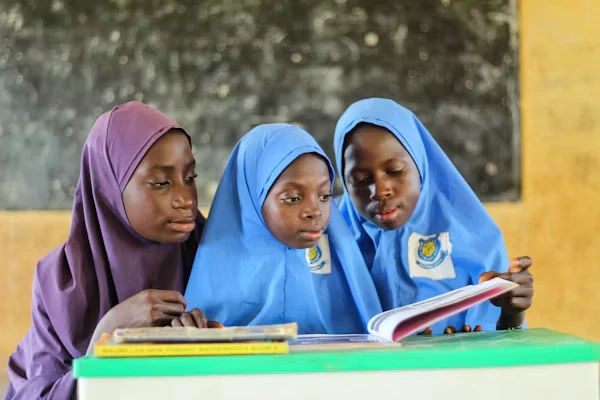
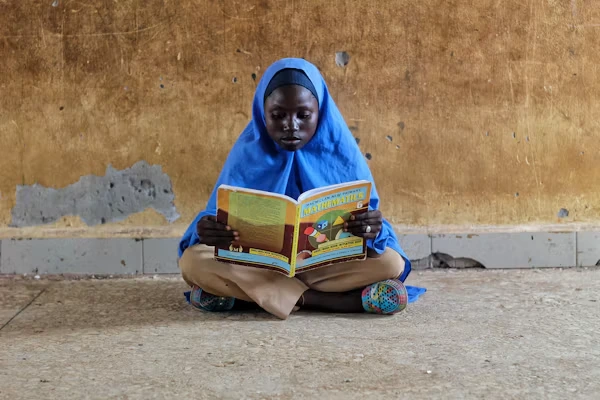
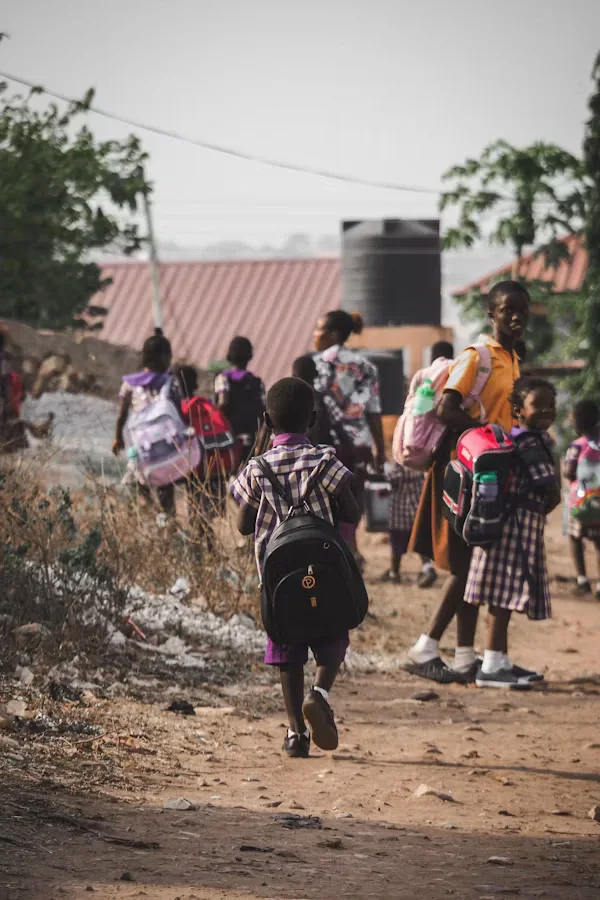
The purpose of peace building, from the perspective of a child, is that the child has a safe route to school, a school that is
open and functioning, and a community that is not divided against itself. A child who is growing up in a community that has
learned to manage its disputes without violence is a child who is more likely to complete her education, to remain in her home
area, and to build a future in the place where she was raised. Peace building is not separate from the work of keeping children in
school. It is part of the foundation on which that work rests.
Peace building works with community leaders, young people, women, schools, and local authorities to reduce the conditions that
produce conflict, and to rebuild the trust that allows communities to function once conflict has passed.