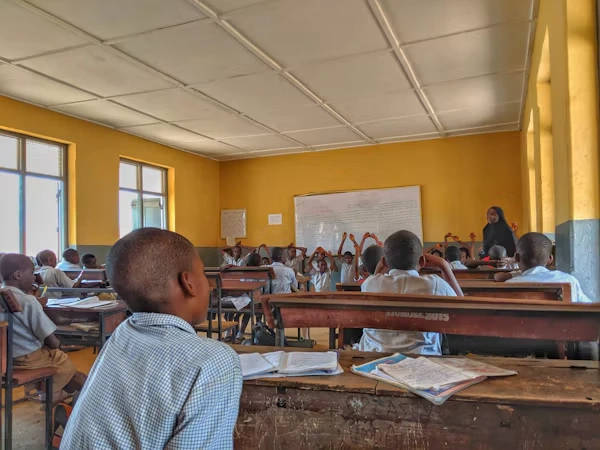
Kenyan primary and day secondary education are nominally free, but the costs of attending are not. Families are asked to cover
school fees and levies that remain even where tuition is free, a uniform and shoes that a child needs in order to attend without
shame, exercise books, pens, and the other learning materials that are required for class. These costs are not large in
themselves. Together, and multiplied across several children in the same household, they are often more than a poor family can
manage. When a family cannot cover them, the child is withdrawn. The choice is rarely made against education. It is made against a
bill the family cannot pay.
Our sponsorship programme under our education recovery programming removes these barriers for a specific child. The support is
directed to the school or the supplier, so the money does what it is meant to do rather than being absorbed elsewhere. Families
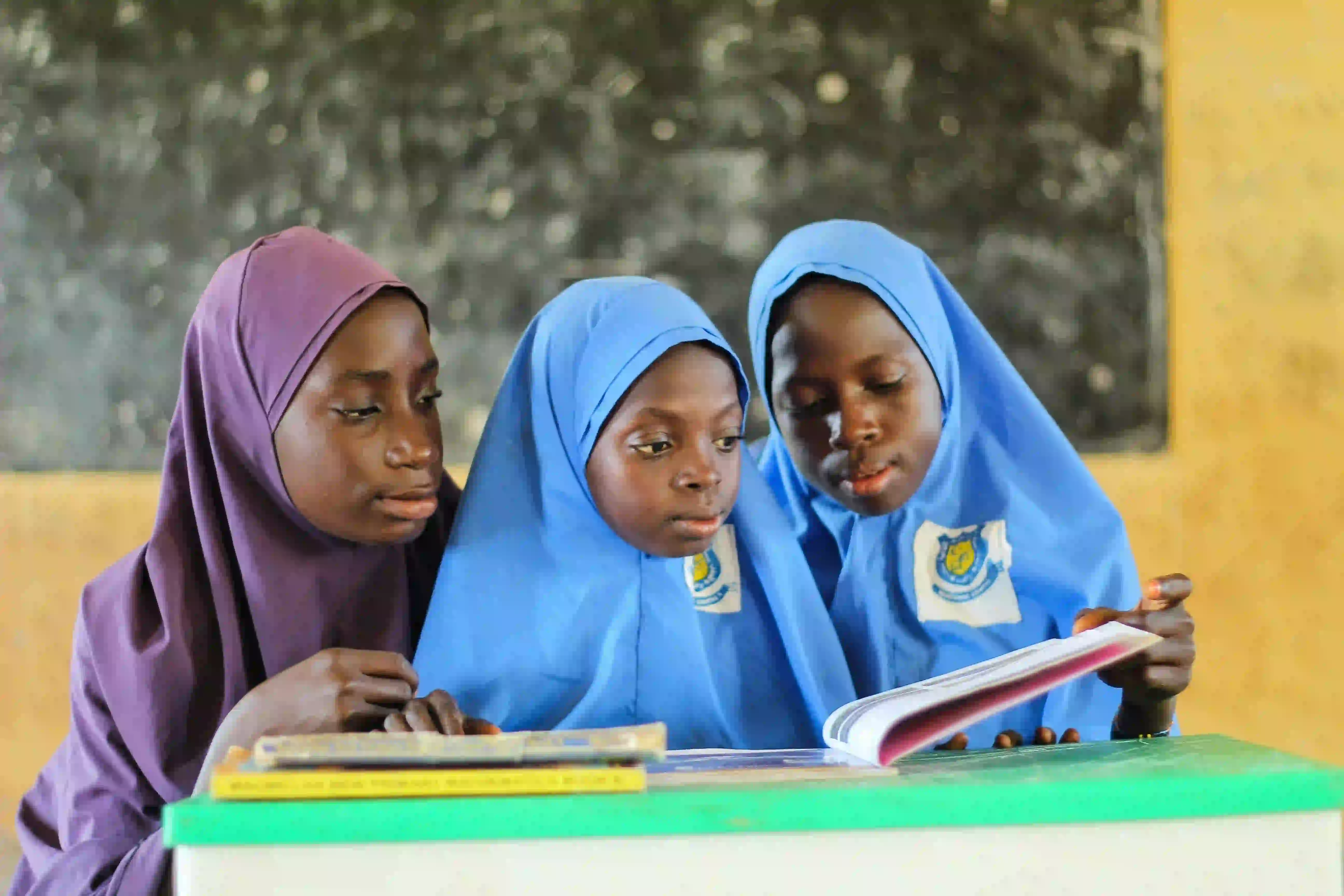
receive a receipt of what has been covered. The child receives what she needs to sit in a classroom on the same footing as her
peers. And because the support is attached to the child by name, the child is not left to carry the uncertainty of whether the
costs will be covered from one term to the next.
The support is provided consistently. A child who is sponsored in one term and not in the next is a child whose family cannot
plan, and whose school cannot plan. We make sure that sponsorship covers the full year, and that it continues through the years of
school the child is expected to complete. We confirm with the school that fees have been cleared, with the family that the uniform
and materials have been received, and with the child that she has what she needs. Where something has been missed, we follow up.
The consistency is what makes the support useful, and it is what distinguishes sponsorship from an occasional gift.
The support is also documented. Families receive a record of what has been covered, so that they know what they have been given
and what remains their responsibility. Schools receive confirmation of what has been paid, so that they can update their records.
Our staff track what has been provided to each child, so that the support is not duplicated and nothing is left to chance. The
documentation is not bureaucracy. It is the difference between a programme that provides what it says it provides, and one that
assumes support has reached a child because it was paid for.
When school fees, uniforms, and learning materials are covered, a family that was previously unable to keep a child in school is
able to do so. The child attends. The child participates. The child is not visible in class as the one who does not have what the
others have. Over time, the child who would have dropped out stays in school, completes the grades she was at risk of missing, and
moves on to the next stage of her education. This is the most direct effect of sponsorship, and it is the one that makes the rest
of the work possible.