The loss of a parent, the responsibility of caring for younger siblings, the fear of being pulled out of school if the family's
situation worsens, the loneliness of being the only child in her household who is still in school. These pressures do not appear
on a report from the school, and they are not addressed by covering a fee or providing a uniform. They are the reason that a child
who is fully supported may still drop out. Pastoral support and mentorship exist to address what financial support cannot.
Every sponsored child is connected to a mentor or a staff member who checks in regularly. The mentor is not a counsellor and not a
teacher. The mentor is an adult who shows up consistently, who listens to what the child is going through, and who helps the child
think through the decisions that shape her life. The relationship is built over time. A child who is meeting her mentor for the
first time may not say much. A child who has been meeting the same mentor for a year may tell her things that she has not told
anyone else.
Pastoral support and mentorship are not a substitute for the financial support that sponsorship provides. A child who has a mentor
but cannot afford school fees will still drop out. A child who has school fees but no one to talk to may also drop out, for
different reasons. The two forms of support work together. Financial support removes the barriers that money can remove. Pastoral
support addresses the barriers that money cannot reach. A sponsored child who has both is a child who is supported in the ways
that matter, and who has the best chance of staying in school and completing her education.
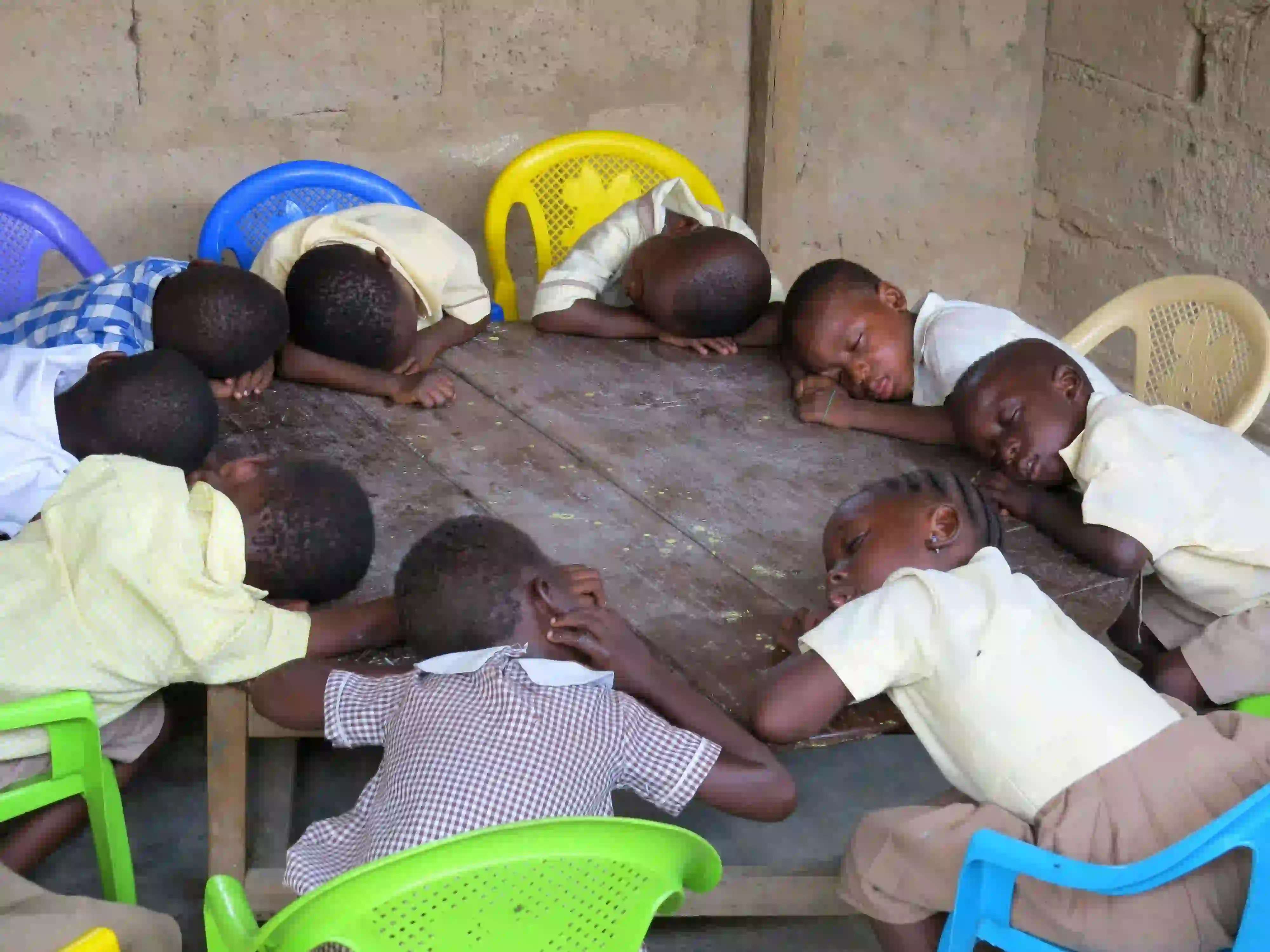
Pastoral support and mentorship give a sponsored child an adult who shows up consistently, who listens, and who helps her
navigate what she is going through — and helps her stay in school.