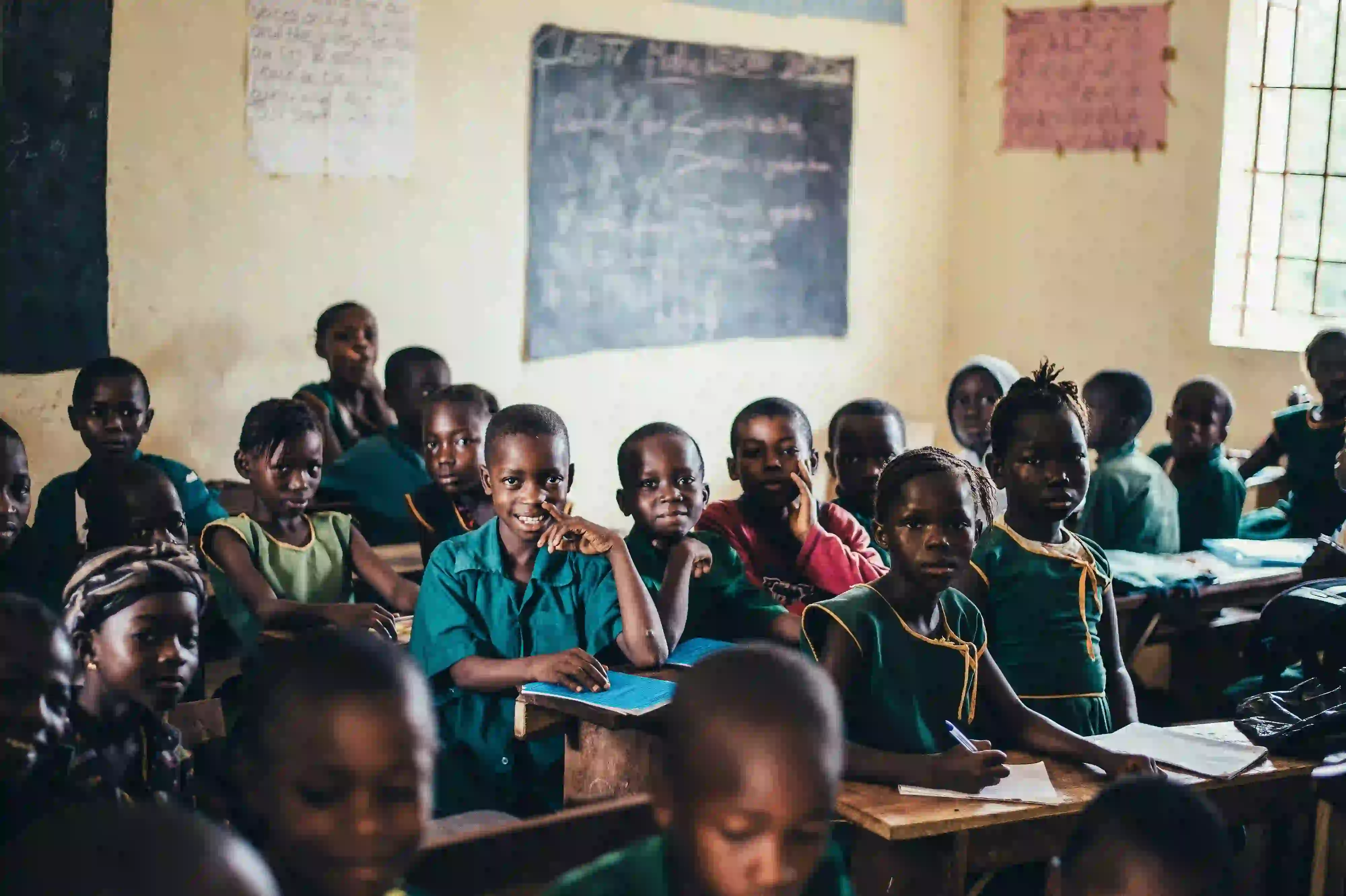
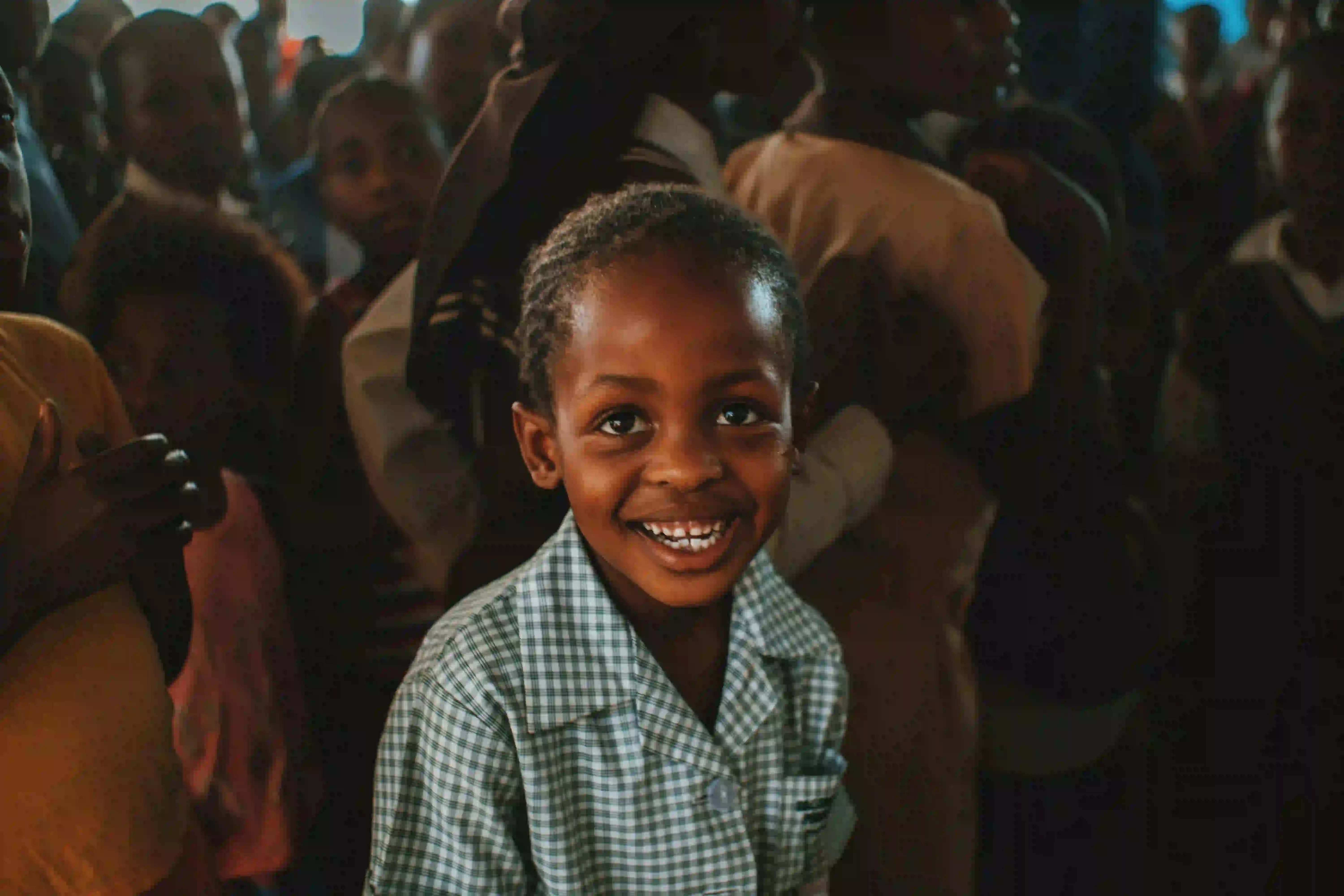
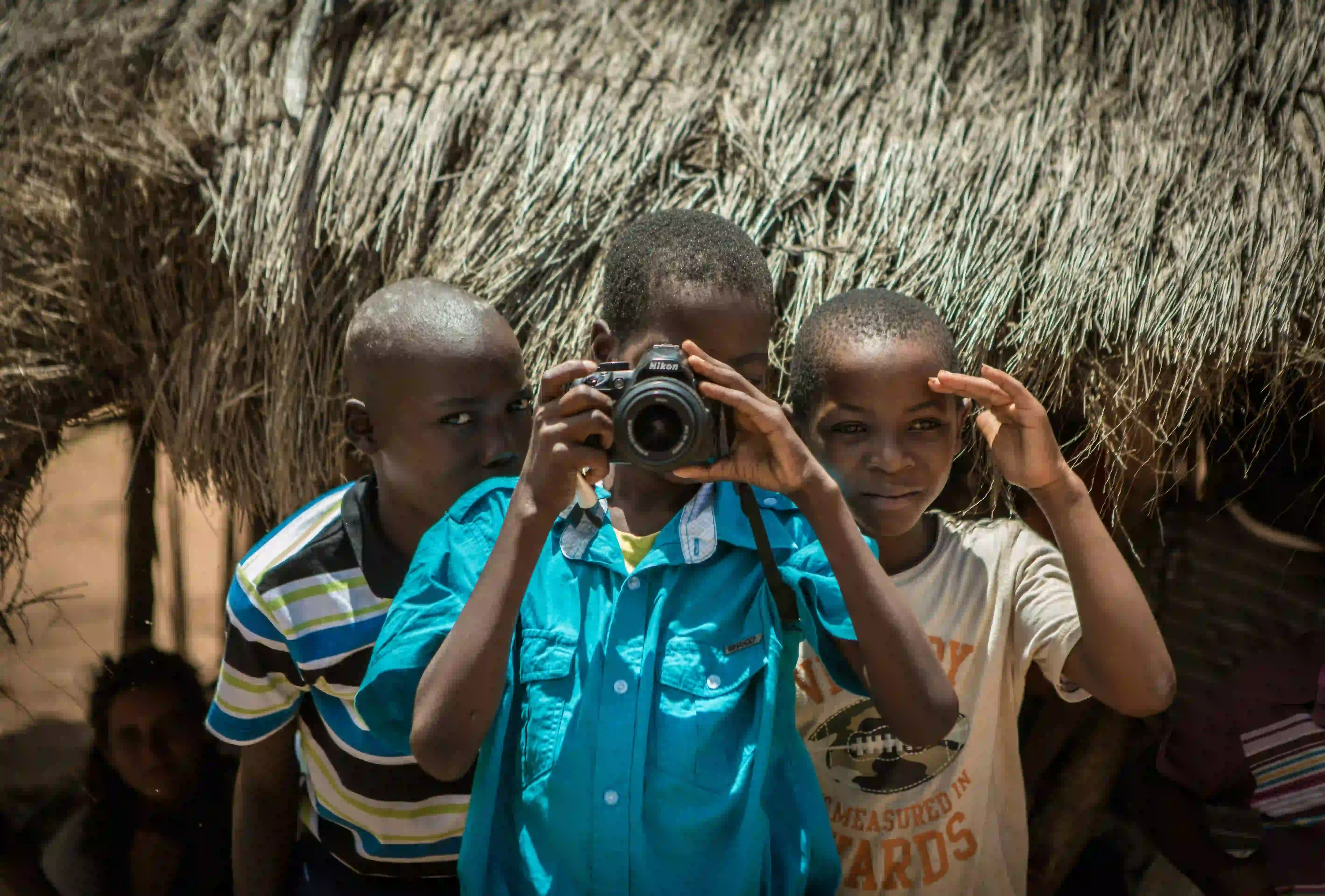
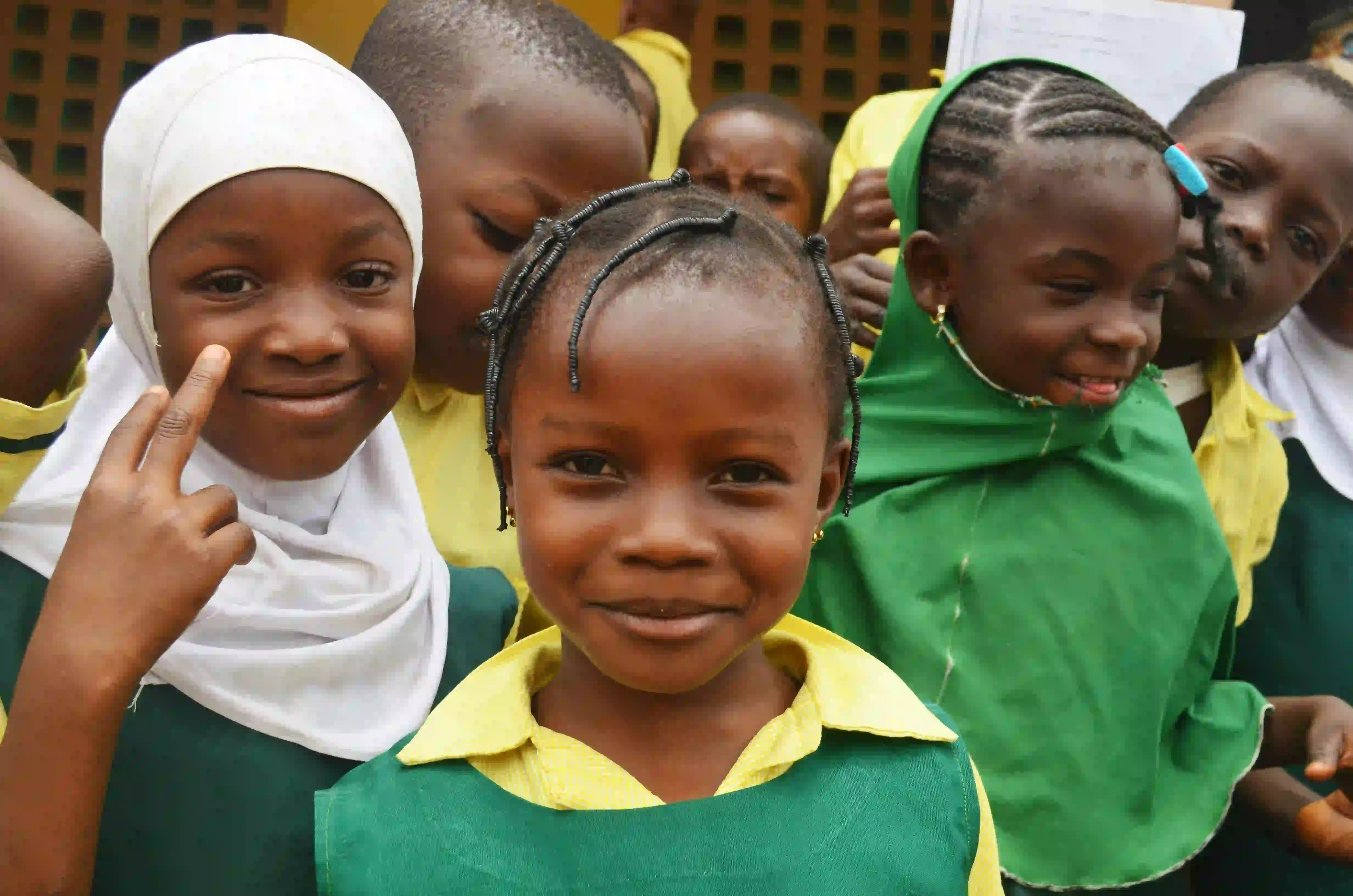
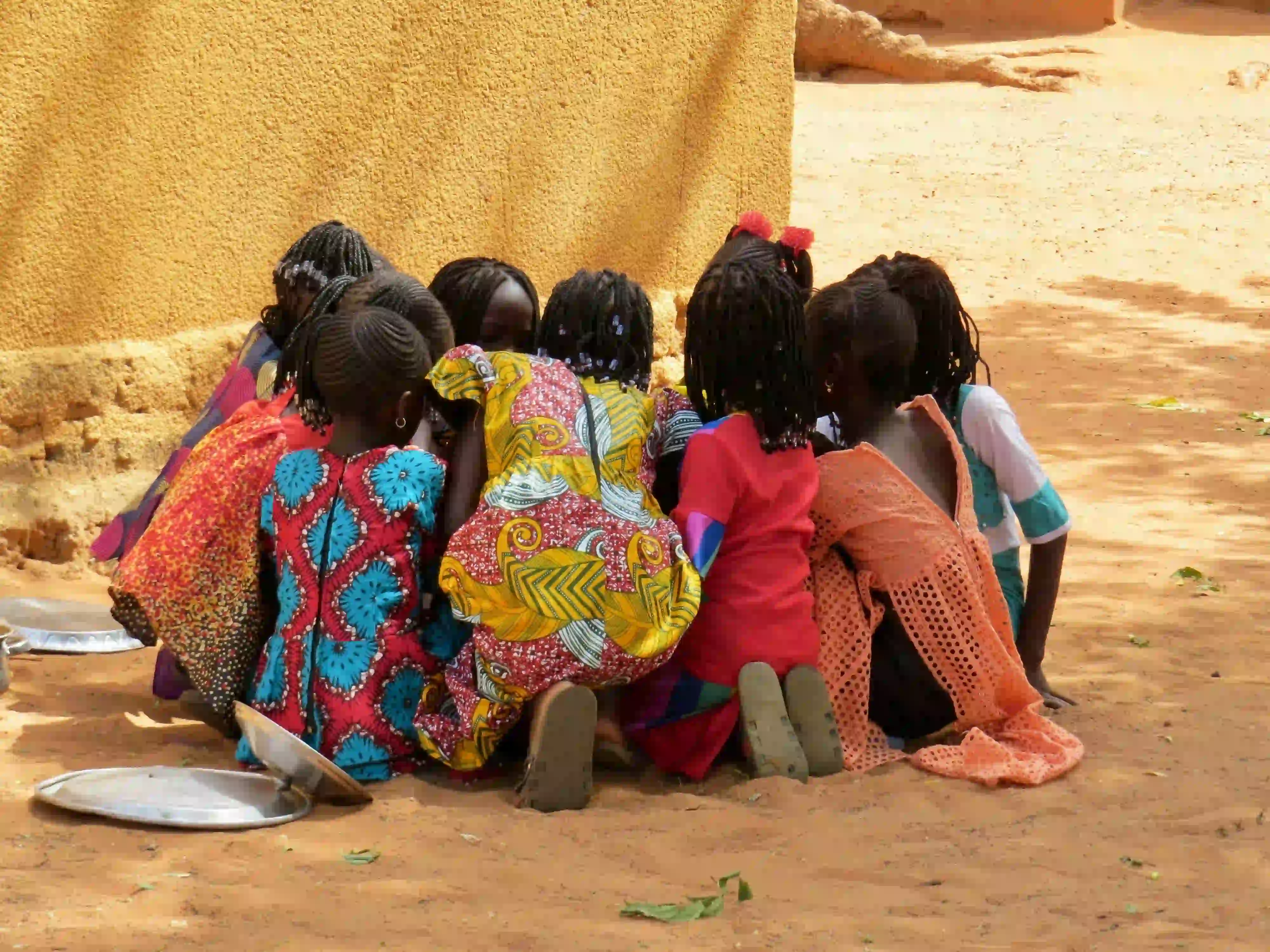
They understand their own lives in ways that adults often do not, and they can describe what is happening to them, what they need,
and what they would change if they were asked. Our work on child participation and empowerment creates the space for children to
speak about what affects them, and supports them to do so with confidence. When children are heard, the decisions that adults make
are more likely to fit the realities that children are living in.
Participation is not a single activity. It is a way of working that runs through everything we do. It means that when we plan a
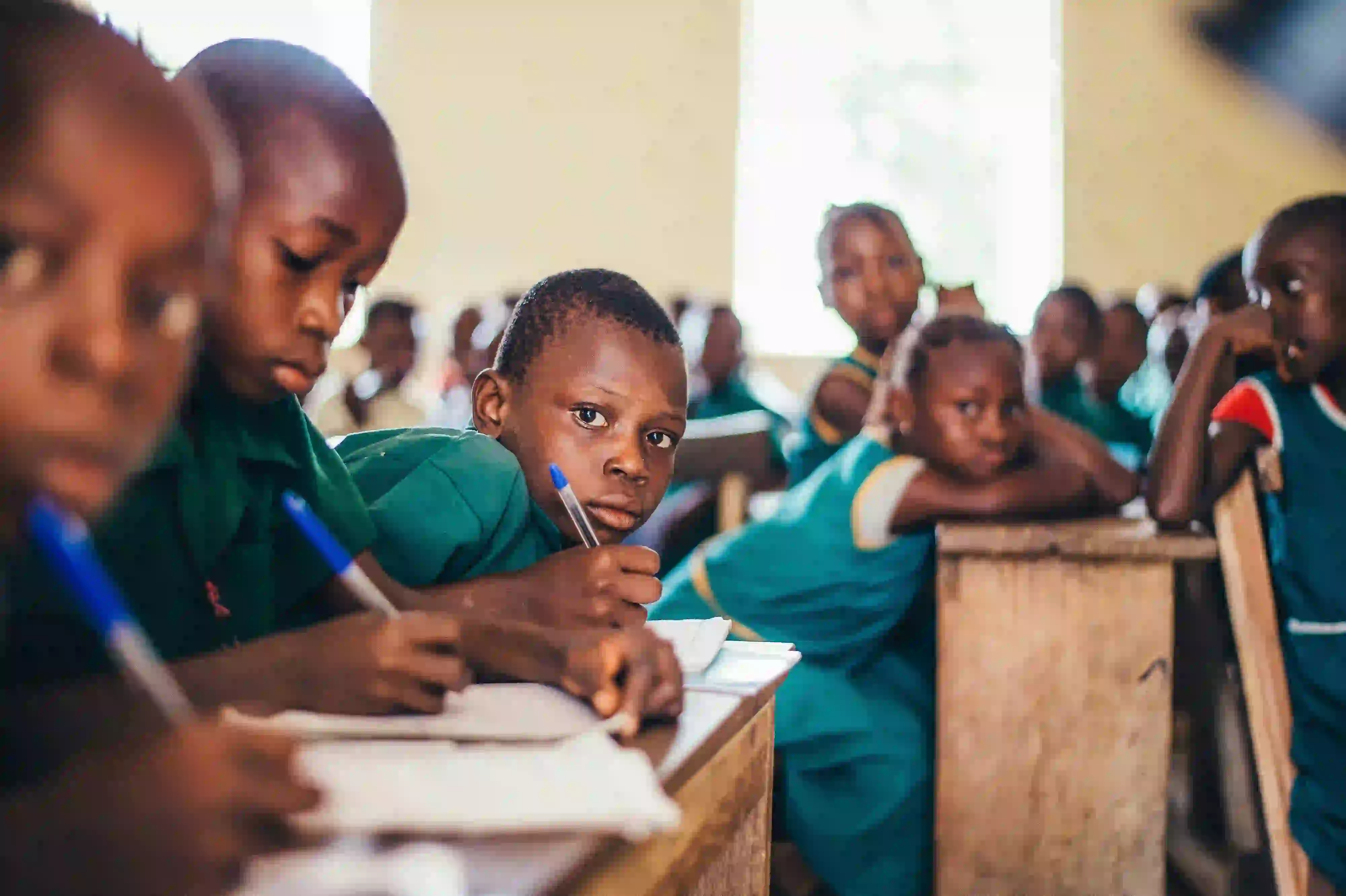
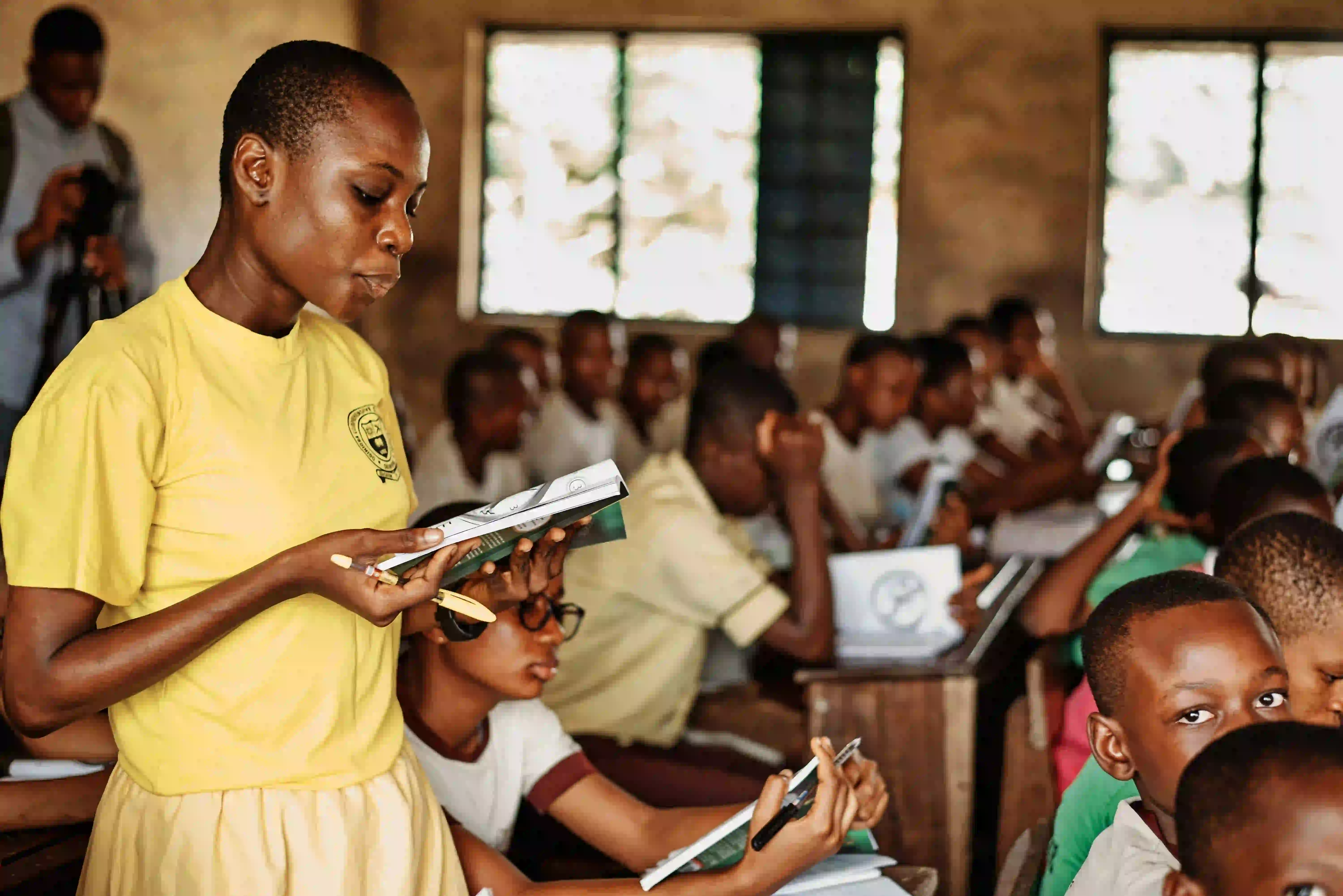
programme, we ask the children it is meant to serve what they think of it. When we run a session in a school, we make sure that
children have the opportunity to speak, not just to listen. When we engage with local authorities about the protection of
children, we make sure that children's own views are part of what we present. Participation is not a favour that adults extend to
children. It is a recognition that children have something to say, and that what they say should shape the work.
The work of empowerment is not a luxury that comes after the basics of protection are in place. It is one of the ways that
protection becomes possible.