Say NO to Female genital mutilation (FGM)

Female Genital Mutilation (FGM) remains one of the most pervasive and harmful cultural practices affecting girls in Kenya

In several counties, this practice is still prevalent, marking the end of a girl's education and her future opportunities. When a girl undergoes FGM, she is often considered ready for marriage and childbearing, effectively ending her educational journey. The practice is deeply rooted in tradition and is often supported by community members who view it as an essential rite of passage.

The problem is further compounded by gender bias in households. In communities where FGM is practiced, girls are often groomed for roles that do not include formal education. They grow up with feelings of being inferior and suffer from low self-esteem, which contributes to their dropping out of school. The socializing processes are designed and rigorously applied to instil a feeling of superiority in boys, while girls are taught to accept subjugation and inferiority with apathy.

FGM has severe physical, psychological, and social consequences for girls. Beyond the immediate health risks, the practice often leads to early marriage, teenage pregnancy, and a lifetime of poverty and marginalization. When a girl is cut, her education is typically terminated, and she is married off to an older man. She becomes economically dependent, unable to make independent choices about her life, and trapped in a cycle of intergenerational poverty.
Our goals

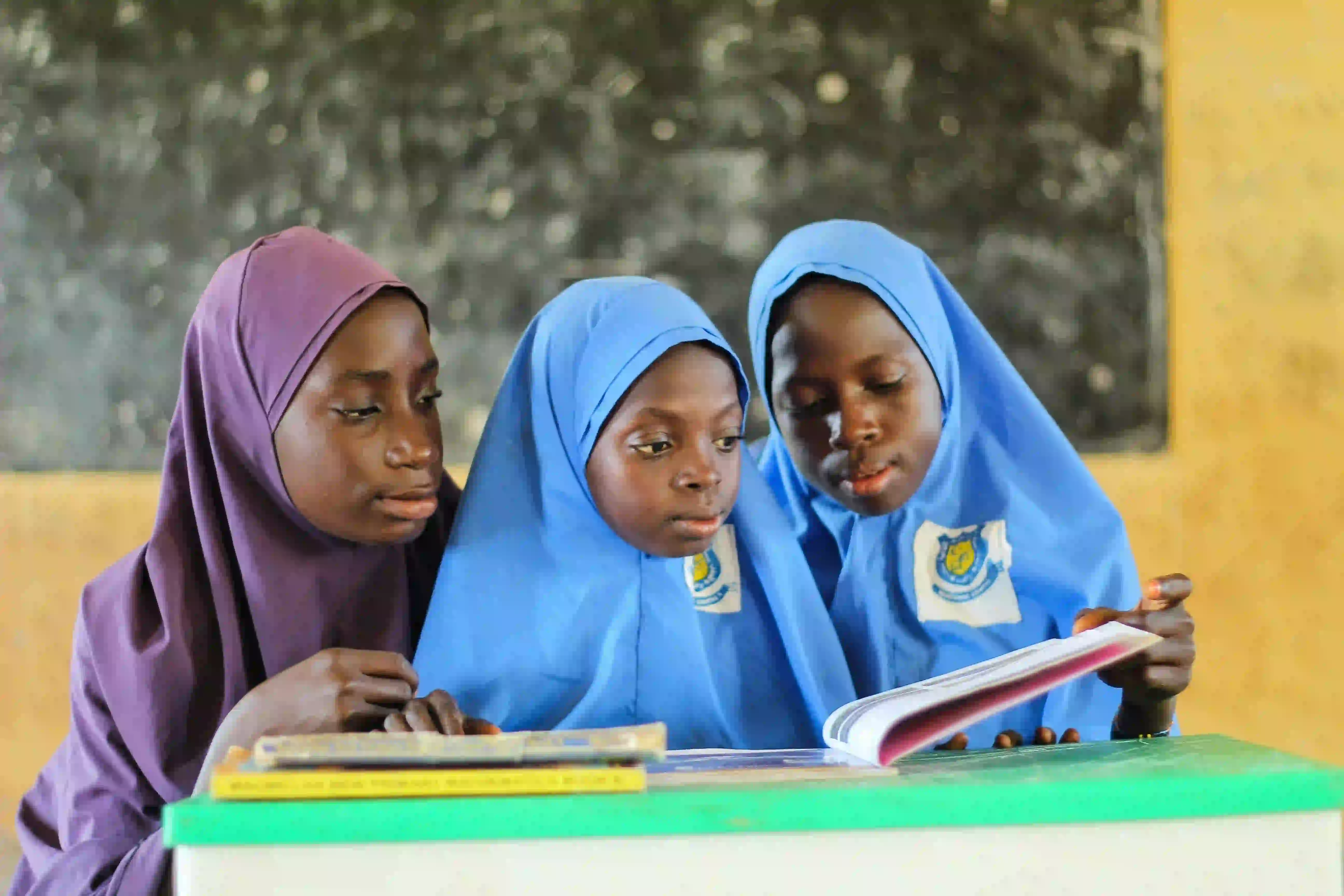
Teacher speaking during a learning session

Supporting the Anti-FGM Board


How we get there:

  • We push for the government to allocate adequate resources to the Anti-FGM Board so that it can carry out its mandate effectively.
  • We work with the Anti-FGM Board to expand its presence in counties where FGM is most prevalent, including Narok, West Pokot, Samburu, Marsabit, and Garissa
  • We work to build trust and foster a sense of collective responsibility for protecting girls' rights. This means facilitating ongoing dialogue, supporting communities to resolve conflicts, and celebrating progress as a community. When communities feel ownership over the change process, they are more likely to sustain it.

Say NO to FGM

We are committed to ending FGM through a combination of advocacy, awareness, and community engagement. We are working to change the narrative and create a safer, more equitable path to education for all children

Join us in ending FGM

Help us protect girls from harmful practices and keep them in school. Support our campaign, volunteer your time, or partner with us to end FGM in Kenya.

Every action counts—only a willingness to act is required.

Contact us

Say NO to FGM

We are committed to ending FGM through a combination of advocacy, awareness, and community engagement. We are working to change the narrative and create a safer, more equitable path to education for all children